How to Choose a Repiping Company
By Ramin Shahbaziasl, Owner, Eastside Repipe and Plumbing · Last updated September 16, 2025
Repiping is the largest plumbing job most homeowners will ever commission. Walls open, water goes off, a permit gets pulled, and the result is buried behind drywall where nobody can inspect it afterwards.
That makes the choice of contractor unusually consequential. This guide covers when a house actually needs repiping, what the work involves, and what to check before you sign anything.
Key Points
Repiping replaces the supply system rather than patching individual failures
The decision is driven by symptoms and pipe condition, not age alone
Material choice should follow your home, not a contractor's preference
Verify licence, bond, and insurance yourself before comparing quotes
Most whole-house repipes are two to five days of plumbing, plus restoration
When a House Needs Repiping
Individually, these are maintenance items. Together they point at the system:
Brown or rusty water, especially first thing after the house has sat unused
Weak pressure across multiple fixtures, not just one
Repeated leaks. The second pinhole in a year means the rest of the run is the same age and condition
Galvanized supply lines, common in homes built before the 1970s
A musty smell or staining near walls where pipe runs
The pattern that decides it: if you patch one leak and another appears a few months later, you are not fixing faults. You are managing a system at end of life, and each patch is money that would have gone toward the permanent answer.
Our guide to rusted pipe repair covers how to tell whether a repair will hold, and detecting a hidden water leak covers the meter test you can run yourself.
What Repiping Actually Involves
Replacing the water supply lines throughout the house with new pipe, rather than repairing failures as they appear.
Assessment. The existing material, condition, and routing get established. On our jobs, that includes cutting a section out and showing you the inside of your own pipe, because a narrowed bore or a thinned wall tells you more than any description.
Written scope and quote. Material, routing, access points, permit, and restoration, itemised so it can be compared against another bid.
Permit. Repiping is permitted work. The contractor should pull it in their own name.
Installation. New lines run, generally with the water restored at the end of each working day so you are not without it overnight.
Pressure testing. Every joint is tested before anything closes up. This step is not optional, and it should appear in your quote.
Inspection and restoration. Signed off by the jurisdiction, then walls patched and the site left clean.
Most whole-house repipes are two to five days of plumbing depending on size and access. Drywall repair and paint follow and usually take longer on the calendar than the plumbing did.
Choosing a Material
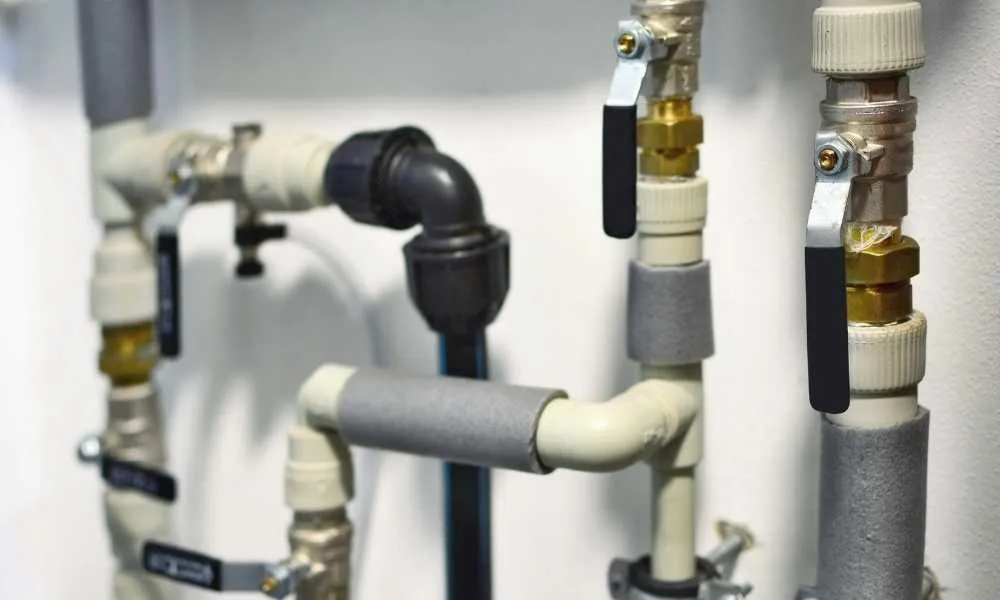
PEX is flexible, corrosion-resistant, and routes through existing framing with far less demolition. It installs faster and costs less, which is why it suits most homes.
Copper has a long track record and a higher material and labour cost, since every joint is soldered. Some homeowners prefer it where pipe is exposed.
CPVC is permitted in some applications, subject to local code.
The right answer depends on your home's layout, access, water chemistry, and how long you plan to stay. Our comparison of PEX and copper covers the tradeoffs in detail.
A contractor who recommends a material before looking at the house is guessing.
What to Check Before Hiring
Verify the license yourself. Washington requires plumbing work to be performed by certified plumbers employed by a licensed contractor. The state Department of Labor and Industries lookup returns license status, bond, insurance, and any infractions in about a minute. Free, and more informative than any credentials page.
Ask for certificates of insurance, and check the effective dates and coverage limits. Our guide to hiring an insured repiping contractor covers what that coverage protects you from.
Confirm who pulls the permit. It should be the contractor.
Ask whether they will show you the pipe. A contractor willing to cut a section and let you see the interior is quoting from evidence rather than assumption.
Get itemised pricing. Labour, materials, permit, and restoration separately, so bids are comparable. Our plumber cost guide covers typical local rates.
Ask what the warranty covers, in years and in writing, for workmanship and for materials separately.
Warning Signs in a Quote
A price given without anyone inspecting the system
No permit mentioned, or an offer to skip it
No pressure testing in the scope
Restoration quoted separately and introduced later
No written workmanship warranty
Reluctance to give a license number
Pressure to decide immediately
A bid well below the others is usually excluding something specific. Ask what, and a straight answer is reassuring in itself.
What You Get From Doing It Once
Consistent pressure and clean water throughout the house, rather than incrementally worse performance.
No more emergency repairs on a system that was failing predictably.
Permitted, inspected, documented work that holds up at resale, where galvanised pipe is a known deduction.
Decades of service life from the new system, rather than years from the next patch.
Why Homeowners Work With Us
We focus on repiping rather than doing a bit of everything, which is where our speed comes from. We quote in writing before starting, pull permits in our own name, and pressure test before anything closes.
We are licensed, bonded, and insured, and you can confirm all three at secure.lni.wa.gov/verify before you contact us. We would rather you did.
If a partial repipe would serve you better than a whole-house job, we will say so.
Frequently Asked Questions
How do I know if my home needs repiping?
Brown water, pressure that has dropped across multiple fixtures, and more than one leak in a year are the main indicators. Galvanized supply lines in a pre-1970s house make it likely. An inspection that includes cutting a section confirms it.
How long does a whole-house repipe take?
Two to five days of plumbing for most homes, depending on size, number of bathrooms, and access. Water is normally restored at the end of each working day. Drywall repair and paint follow afterwards.
Which material should I choose?
PEX suits most homes on cost, speed, and reduced demolition. Copper has a longer track record and higher cost. It is a technical decision based on your home rather than a budget one.
Do I need a permit?
Yes. Repiping is permitted work in Washington, and the contractor should pull it in their own name. Unpermitted plumbing surfaces during a home sale, which is an expensive time to find it.
Will repiping increase my home's value?
Buyers generally view updated supply lines positively, and galvanized pipe is a known deduction during a sale. Treat it as removing a liability rather than as a guaranteed return, since that varies with the market.
Can I repipe part of the house instead of all of it?
Sometimes. It works when the remaining pipe genuinely has life left, so it needs an honest assessment rather than an assumption. If the whole system is the same age and material, partial work usually means doing it again shortly afterwards.
Get a Written Quote
If you are seeing brown water, falling pressure, or a second leak in the same year, the useful next step is finding out how much of the system is affected.
Request a free consultation or call 425-331-2011. We will inspect the system, show you the inside of your own pipe, and quote the work in writing, including permit and restoration.
See our repiping services for the full scope. We serve Bellevue, Redmond, Kirkland, Bothell, Renton, Issaquah, Sammamish, Seattle, and the wider Eastside service area.
