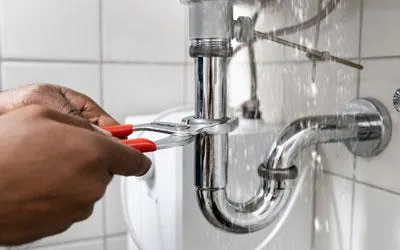
How to Detect a Hidden Water Leak in Your Home
By Ramin Shahbaziasl, Owner, Eastside Repipe and Plumbing · Last updated July 26, 2025
A hidden leak can run behind a wall or under a floor for months before anything becomes visible. By the time a stain appears on the ceiling, the framing behind it has been wet for weeks.
The good news is that hidden leaks announce themselves in ways you can learn to recognise, and there is a test you can run yourself in two hours that tells you definitively whether water is escaping. This guide covers both.
Signs of a Hidden Leak
Watch for:
A water bill that climbed with no change in household usage
A water meter that moves when every fixture is off
Damp patches or discoloration on walls, ceilings, or floors
A musty smell with no visible mould
Warped or buckling flooring, particularly near bathrooms and kitchens
Peeling paint or swelling trim near plumbing fixtures
Persistent mould or mildew with no obvious moisture source
Any one of these is worth investigating. Two or more together usually means water is escaping somewhere.
The Meter Test You Can Run Yourself
This is the most useful thing in this guide. It costs nothing and takes two hours.
Turn off every water-using fixture and appliance in the house
Find your water meter and note the reading, including the leak indicator dial if yours has one
Use no water at all for two hours
Read the meter again
Any movement means water is leaving the system somewhere. If the leak indicator is turning with everything off, you have an active leak.
The Toilet Dye Test
Toilets are a common source of silent water loss. Add a few drops of food coloring to the tank, wait fifteen minutes without flushing, and check the bowl. Color in the bowl means the flapper is leaking.
Both tests tell you whether you leak. Neither tells you where it is, which is what professional detection is for.
Where Hidden Leaks Usually Are
Behind shower surrounds and under shower pans
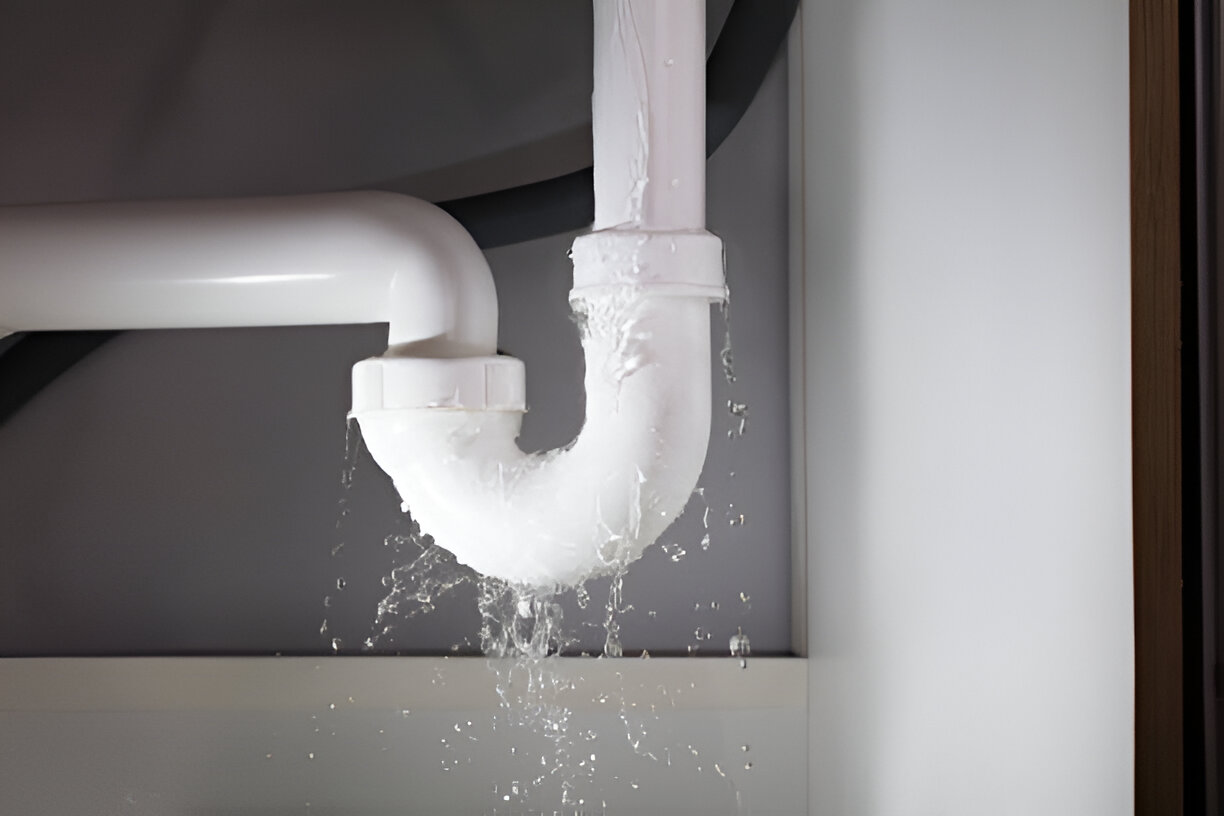
Under kitchen and bathroom sinks
Behind or beneath washing machines, along supply lines
In plumbing stacks behind walls or above ceilings
Around water heater connections
At joints and fittings in accessible wall cavities
Fittings and appliance connections fail more often than the fixed pipe does, which is why the areas around them are worth checking first.
How Professional Detection Works
The goal is finding the leak without opening walls to look for it.
Confirming the loss. Pressure testing and meter monitoring establish that water is genuinely escaping and roughly how fast, which narrows the search considerably.
Locating the source. We inspect fixtures, exposed piping, and plumbing within accessible wall spaces, working back from the symptom toward the source. Moisture readings and systematic elimination narrow it to a specific run rather than a general area.
Assessing the repair. Not every leak means a repipe. A failed joint is a spot repair. A corroded section may be worth rerouting. A system failing in several places is a different conversation, and our repiping services page covers when that becomes the sensible option.
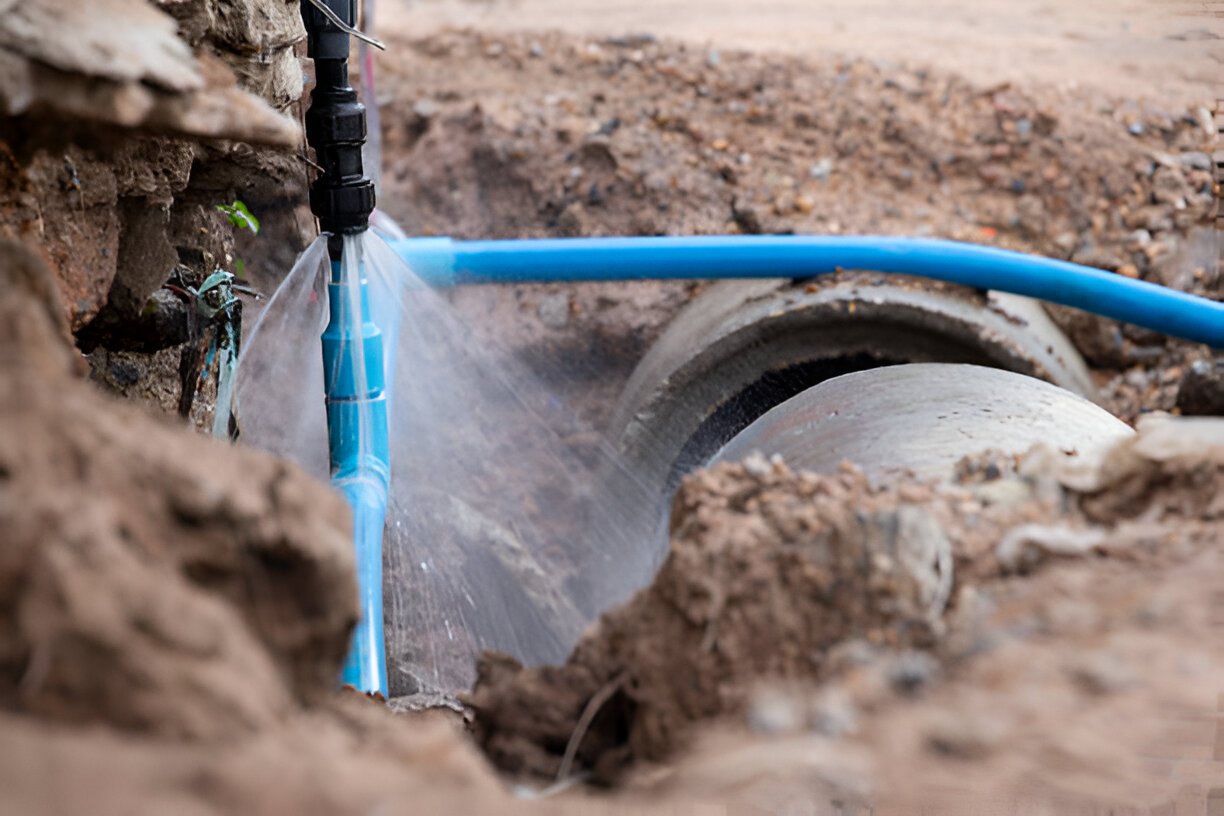
On scope: our leak detection covers interior plumbing systems. We do not perform underground water line detection between the meter and the home, or exterior excavation. If your meter test points to a loss outside the building, we will tell you that rather than charging you to find out.
What Ignoring It Costs
Water waste. The EPA reports that household leaks waste more than 9,300 gallons a year on average, and that nine percent of homes have leaks wasting 50 gallons or more per day.
Structural damage. Sustained moisture rots framing, delaminates subfloor, and damages finishes. The repair scope grows the longer it runs.
Mould. A damp wall cavity supports growth within days. Remediation is a separate trade and often a larger bill than the plumbing repair that caused it.
Insulation and energy costs. Wet insulation stops insulating.
Insurance complications. Policies generally cover sudden accidental water damage. Damage from a slow leak that went unaddressed is frequently excluded, so acting on early signs protects the claim as well as the house.
What to Do While You Wait
Shut off the water if the leak is active and visible
Photograph everything before you clean up. Insurers ask for this
Do not patch or cover the area before inspection. Accurate assessment depends on seeing it
Move belongings clear of the affected area
Note when it started and what you have observed
What Happens After We Find It
We show you the location, the cause, and the extent of the damage
We explain whether a spot repair or a larger replacement is the sensible option, and why
We open the minimum access needed to reach it
We complete the repair and pressure test the affected section
We advise on restoration, or refer you if the damage needs a specialist
Our guide on what to do during a plumbing emergency covers the first ten minutes if a leak becomes urgent.
Preventing the Next One
Book an annual inspection. A whole home plumbing inspection checks pressure, fixtures, and the water heater alongside looking for early moisture
Check under sinks monthly. Damp cabinet bases and mineral crust on fittings are the earliest visible signs
Watch the water bill. A month-on-month climb with no change in usage is the earliest signal of all
Replace appliance hoses before they fail. Braided steel lines on washing machines are inexpensive and prevent a common cause of flooding
Label your shutoff valves so anyone in the house can find them
Install leak sensors near the water heater, under sinks, and in the crawl space
Our roundup of the top 10 plumbing problems covers the wider prevention picture.
Frequently Asked Questions
How do I know if I have a hidden leak?
Run the meter test above. Turn off all water, read the meter, wait two hours, read it again. Movement means water is escaping. An unexplained bill increase, damp drywall, or a musty smell are the other common signals.
Can you find a leak without opening walls?
Usually. Pressure testing, meter monitoring, moisture readings, and systematic elimination narrow the location before anything is opened. Some access is normally needed for the repair itself, but the aim is one small opening in the right place rather than several in the wrong ones.
Do you handle leaks under a slab or in the yard?
Our detection covers interior plumbing: fixtures, exposed piping, and plumbing in accessible wall spaces. We do not perform underground water line detection between the meter and the home, or exterior excavation. If the meter test suggests the loss is outside the building, we will point you to the right specialist.
Will my insurance cover the damage?
Sudden accidental water damage is typically covered. Damage from a slow leak left unaddressed frequently is not. Photograph everything before cleaning and keep receipts.
How much does leak detection cost?
It depends on the property size and how accessible the plumbing is, and it is a fraction of what exploratory demolition costs. Our plumber cost guide covers typical local pricing.
Should I shut the water off while I wait?
If water is actively visible, yes. If you are only suspicious based on the bill, normal use is fine until someone looks at it.
Book an Assessment
A leak you can see has usually been running a while. One you have only suspected is the better time to act.
If the meter test showed movement, or you have noticed any of the signs above, contact us or call 425-331-2011. We will tell you what we find and what the repair actually requires, including if it turns out to sit outside our scope.
You can verify our license, bond, and insurance for free through the state Department of Labor and Industries before you book.
We serve Bellevue, Kirkland, Redmond, Bothell, Renton, Issaquah, Sammamish, Seattle, and the wider Eastside service area.
