Water Line Replacement: Signs and Costs
By Ramin Shahbaziasl, Owner, Eastside Repipe and Plumbing · Last updated September 23, 2025
Your water line is buried out of sight, so it's easy to forget it exists right up until it fails. Then every sink, shower, and tap depends on getting it fixed, and there's no working around it the way you might with a slow drain.
This guide covers the warning signs, how replacement actually works, what drives the cost, and how to prepare if it's time to get it done.
What Water Line Replacement Actually Means
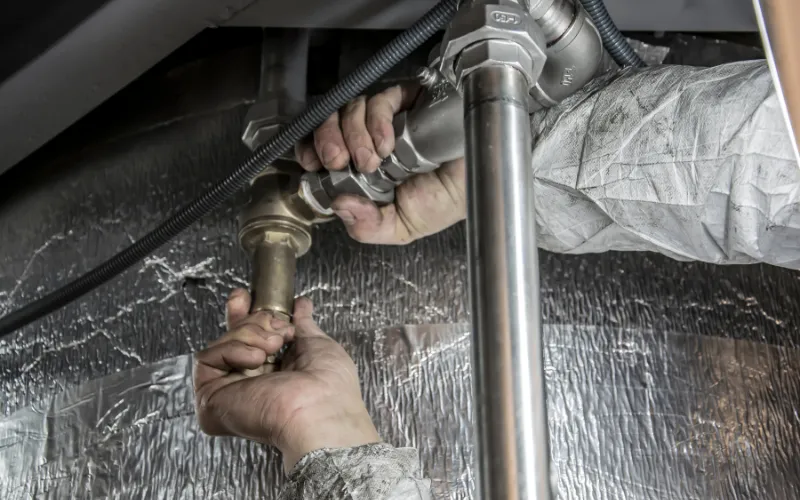
Your water line runs underground, or sometimes through walls, carrying fresh water into the property. Metal supply lines corrode over decades, joints fail, and soil movement stresses buried pipe. Eventually that shows up as an underground leak or water that tastes metallic.
Replacement means removing the failing line and installing new pipe, typically copper, PEX, or HDPE, that's up to current code and built to last considerably longer than what it's replacing.
Signs You Might Need a New Water Line
Low water pressure, not at one fixture but across the whole property
Rusty or brown water
Soggy patches in the yard, which usually means a leak below ground
A water bill that's climbed with no change in usage
The same repair happening again, which means the underlying line is failing rather than one isolated spot
For a business, the stakes are higher. A restaurant can't run water-dependent operations, and an office without working restrooms sends people home.

Repair or Replace
A short section damaged by a tree root, or a single cracked joint, is a legitimate case for a targeted repair. It's quicker and cheaper.
If the line is old and failing in multiple spots, repairs become a pattern of temporary fixes rather than a solution, and the running cost of that pattern usually exceeds a single replacement within a few years. Our guide to galvanized pipe replacement covers this decision specifically for older metal supply lines.
How Replacement Works
Trenching. A trench is dug along the pipe's path, the old line is removed, new pipe is installed, and the trench is backfilled. Reliable, but it disturbs the lawn, driveway, or landscaping above it.
Trenchless methods:
Pipe bursting. A machine splits the old pipe while pulling a new one into place behind it
Pipe lining. A liner is inserted into the old pipe and cured with resin into a new interior surface
Trenchless is typically faster and less disruptive, and once landscaping restoration is factored in, often works out cheaper than trenching despite a higher per-foot rate. Whether it's an option depends on soil conditions, the state of the existing pipe, and local code.
Choosing a Pipe Material
Copper. Durable and well proven, with a higher material cost.
PEX. Flexible, cost-effective, handles freezing better than rigid pipe, and the default choice for most residential jobs.
PVC or CPVC. A solid option for commercial installs, more affordable, somewhat more rigid than PEX.
The right material depends on your property, water chemistry, and local code, which sometimes constrains the choice for you. Our comparison of PEX and copper covers the full tradeoff.
What Drives the Cost
Rather than quote fixed price ranges, which vary too widely between properties to be reliable, here's what actually determines the number:
Material chosen
Length and depth of the run
Trenching versus trenchless
Permits and inspection, required in most jurisdictions
Access. A straightforward yard run costs less than one under a driveway or slab
For an accurate figure, our plumber cost guide reflects current local rates, which is a better reference than a generic range that goes stale quickly. Weighed against repeat repairs, a full replacement is often the cheaper option over a few years, and it typically supports property value at resale.
Why This Isn't a DIY Job
Professional water line replacement includes camera inspection to confirm the actual problem, permits, the excavation or trenchless work itself, proper backfilling, and pressure testing before anything is called finished. You're not just paying for labour. You're paying for a job that passes inspection and doesn't need doing again in two years.
You can verify any Washington contractor's licence, bond, and insurance for free through the state Department of Labor and Industries before hiring anyone.
Don't Forget the Waste Line
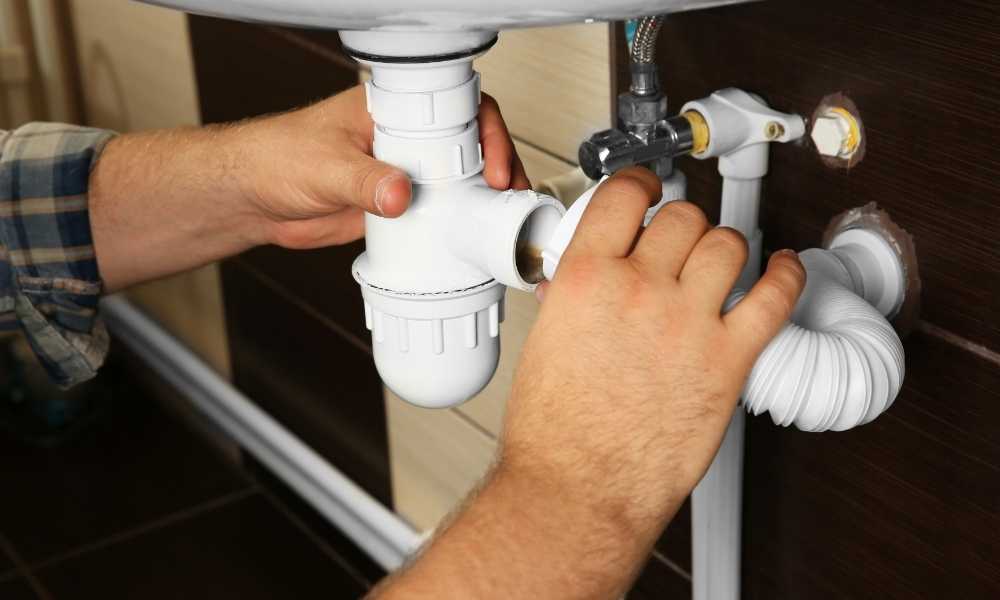
Water comes in, waste goes out, and both lines tend to age together. If you're already having water line work done, it's worth asking your contractor to check the waste line at the same time. Addressing both in one project saves a second mobilisation later, and a failing waste line is generally a more serious problem than a water line leak, since it carries a health risk alongside the structural one.
Our dedicated guide to waste line replacement covers that side in full.
Preparing for the Project
Before:
Get more than one quote, and compare scope rather than the headline price
Confirm licence and insurance yourself
Ask whether trenchless is an option for your situation
Plan for a period without water
During:
Keep the work area clear for the crew
Expect some disruption. It's a genuinely messy job even done well
After:
Get the final inspection documentation
Confirm what the warranty covers, in writing
Schedule a follow-up check in a few years
Keeping the New Line Healthy
Inspect every two to three years, more often on an older system
Test your water for mineral content that accelerates corrosion
Use a pressure regulator. Sustained high pressure shortens the life of any pipe material
Call before you dig anywhere near the line to avoid accidental damage
Frequently Asked Questions
How long does water line replacement take?
Typically one to three days for a residential property, longer for larger commercial buildings. Trenchless methods are usually faster than trenching.
Will trenchless work for my property?
It depends on soil conditions, the condition of the existing pipe, and local code. A plumber can assess this during the initial inspection.
How long do water lines last?
It varies significantly with material, soil, and water quality, so treat any fixed number with scepticism. Older galvanized lines are the most likely to need replacement regardless of a stated lifespan.
Does insurance cover water line replacement?
Sometimes, and usually only for sudden accidental damage rather than gradual failure from age. Some policies offer a service line endorsement as an add-on. Check your specific policy.
Should I replace the water and waste lines at the same time?
If they're roughly the same age, generally yes. It saves a second project later and often costs less than doing them separately.
Is trenchless more expensive than trenching?
The per-foot rate is often higher, but once landscaping and surface restoration are included, trenchless frequently costs less overall.
Get an Assessment
Water line replacement isn't glamorous, but it's the kind of work that protects the property and the budget for decades once it's done properly.
Contact us or call 425-331-2011 for an inspection and a written quote. We handle residential and commercial water line work across Bellevue, Kirkland, Redmond, Bothell, Renton, Issaquah, Sammamish, Seattle, and the wider Eastside service area.
