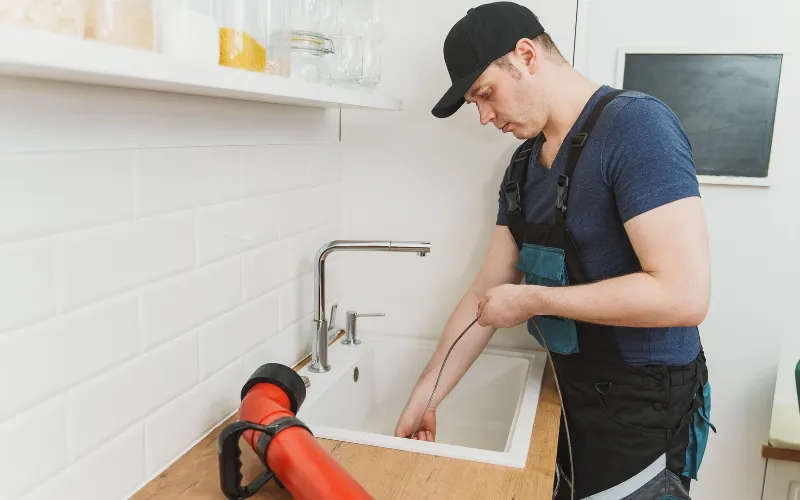
What a Certified Plumbing Company Means in WA
"Licensed, certified, insured" appears on almost every plumbing website, which makes it nearly useless as a way of telling companies apart. What actually helps is knowing what each of those words means in Washington, which of them are legally required, and how to check them yourself in about a minute.
By Ramin Shahbaziasl, Owner, Eastside Repipe and Plumbing · Last updated October 11, 2025
Here is the short version.
Licensed and Certified Are Different Things, and Both Are Required
This gets described a lot incorrectly, including in articles that say certification is an optional extra. In Washington, it is not.
A licensed plumbing contractor is the business. Under RCW 18.106, a company must hold a plumbing contractor licence to employ people doing plumbing work, and that comes with bonding and insurance requirements.
A certified plumber is the individual. Washington issues plumber certificates of competency at journey level, residential service, and specialty levels. Earning one means a documented apprenticeship or equivalent hours, a state examination, and continuing education to keep it current.
Both are mandatory. Contractor registration alone does not authorise plumbing work in Washington, and a person performing plumbing work must hold a journey level, specialty, residential service, temporary, or trainee certificate. Someone working without one is not a budget option. They are working illegally, and that has consequences for your permit, your insurance, and your recourse if something goes wrong.
Insurance sits alongside both. General liability covers damage caused to your property during the work. Workers' compensation covers the crew if someone is injured on site. Washington administers workers' comp through the state fund, so it is verifiable rather than a matter of trust.
How to Verify All of It Yourself
You do not have to ask anyone, and you should not rely on a logo on a website or a van.
Enter the business name. The result shows current registration status, bond, insurance, UBI number, expiration date, and any infractions or suspensions on record. It takes about a minute.
For the individual credential side, L&I's plumber certification pages explain what each certificate level covers and what it takes to hold one.
That lookup is more informative than any "certified" badge, because it shows lapses. A licence that expired last month still leaves the badge on the website.

What It Actually Gets You
Work that passes inspection. Permitted plumbing is inspected before walls close. A properly credentialed contractor pulls the permit in their own name and manages the inspection, which is your protection rather than a formality.
Code compliance that holds up later. Unpermitted or non-compliant work tends to surface during a home sale or a remodel, which is an expensive time to find it.
A warranty that means something. A licensed, bonded, insured business is still trading in three years. Ask what the workmanship warranty covers and get it in writing.
Recourse if it goes wrong. The bond and insurance exist precisely for the situations nobody plans for. Without them you are pursuing an individual rather than making a claim.
What to Check Before You Hire
Run the L&I lookup on the business name. Check the license is active and the bond is in place
Ask which certificate level the plumber doing your work holds. Journey level, residential service, and specialty cover different scopes
Ask for certificates of insurance, and check the effective dates and coverage limits
Confirm who pulls the permit. It should be the contractor, in their own name
Get itemised written pricing, including permits, materials, labour, and restoration
Ask about relevant experience. A whole-house repipe is a different job from a fixture swap
A quote well below the others usually excludes something specific. Ask what.
When Credentials Matter Most
Some jobs are low stakes. These are not:
Hidden leaks. Finding water inside a wall without opening the whole wall takes diagnostic equipment and judgement. Our guide to detecting a hidden water leak covers the meter test you can run first.
Corroded or aging supply lines. Galvanised pipe reaching end of life is a whole-system question rather than a leak-by-leak one. Our guide to rusted pipe repair covers when repair stops making sense.
Whole-house repiping. Walls open, water off, permit pulled, inspection passed. This is the job where credentials and insurance matter most, and our repiping services page covers the process.
Sewer line work. Slope, grading, and code compliance, mostly underground. Our guide to sewer line warning signs covers the symptoms.
Gas work. Permitted, inspected, and unforgiving of mistakes.

Why DIY Is Riskier Than It Looks
Clearing a trap or swapping a showerhead is reasonable. Beyond that, three things work against you.
Permits. Most substantial plumbing work is permitted, and unpermitted work becomes a problem at resale rather than immediately.
Insurance. Damage you cause to your own home during unpermitted work is generally your own problem.
The failure mode. Plumbing mistakes are rarely visible when you finish. They show up weeks later, inside finished construction, which is the most expensive category of repair there is.
Our Credentials
We are a licensed, bonded, and insured plumbing contractor, and our plumbers hold Washington certificates of competency. You can confirm all of that at secure.lni.wa.gov/verify before you contact us, and we would rather you did than take our word for it.
We specialize in repiping, which means whole-house copper and PEX systems rather than a bit of everything. We pull permits in our own name, quote in writing before starting, and tell you what we find rather than what sells.
Frequently Asked Questions
What is the difference between a licensed and a certified plumber in Washington?
The licence is the business credential, held by the contracting company. The certificate is the individual credential, held by the plumber. Washington requires both: contractor registration alone does not authorize plumbing work, and the person doing the work must hold a valid certificate of competency.
Is plumber certification optional?
No. In Washington, plumbing work must be performed by someone holding a journey level, specialty, residential service, temporary, or trainee certificate. Anyone working without one is working outside the law.
How do I verify a plumber's credentials?
Use the L&I lookup. Enter the business name, and it returns license status, bond, insurance, and any infractions. Then ask the contractor for certificates of insurance directly.
Why does insurance matter if they are certified?
They cover different risks. Certification means the work is done competently. Insurance covers the situations where something goes wrong anyway, including property damage and on-site injury. You want both.
Does hiring a certified company cost more?
Sometimes, and the gap is usually smaller than people expect. What it removes is the risk of unpermitted work, uninsured damage, and repairs that have to be redone. Our guide to finding an affordable repiping contractor covers comparing quotes properly.
Which areas do you serve?
Bellevue, Kirkland, Redmond, Bothell, Renton, Issaquah, Sammamish, Seattle, and the surrounding Eastside. The full list is on our locations page.
Check Us, Then Call Us
Run the L&I lookup on any plumber you are considering, including us. It takes a minute, and it tells you more than any page of credentials claims.
When you are ready, request a free estimate or call 425-331-2011. We will assess the work, quote it in writing, and pull the permit in our own name.
We serve Bellevue, Kirkland, Redmond, Bothell, Renton, Issaquah, Sammamish, Seattle, and the wider Eastside service area.
