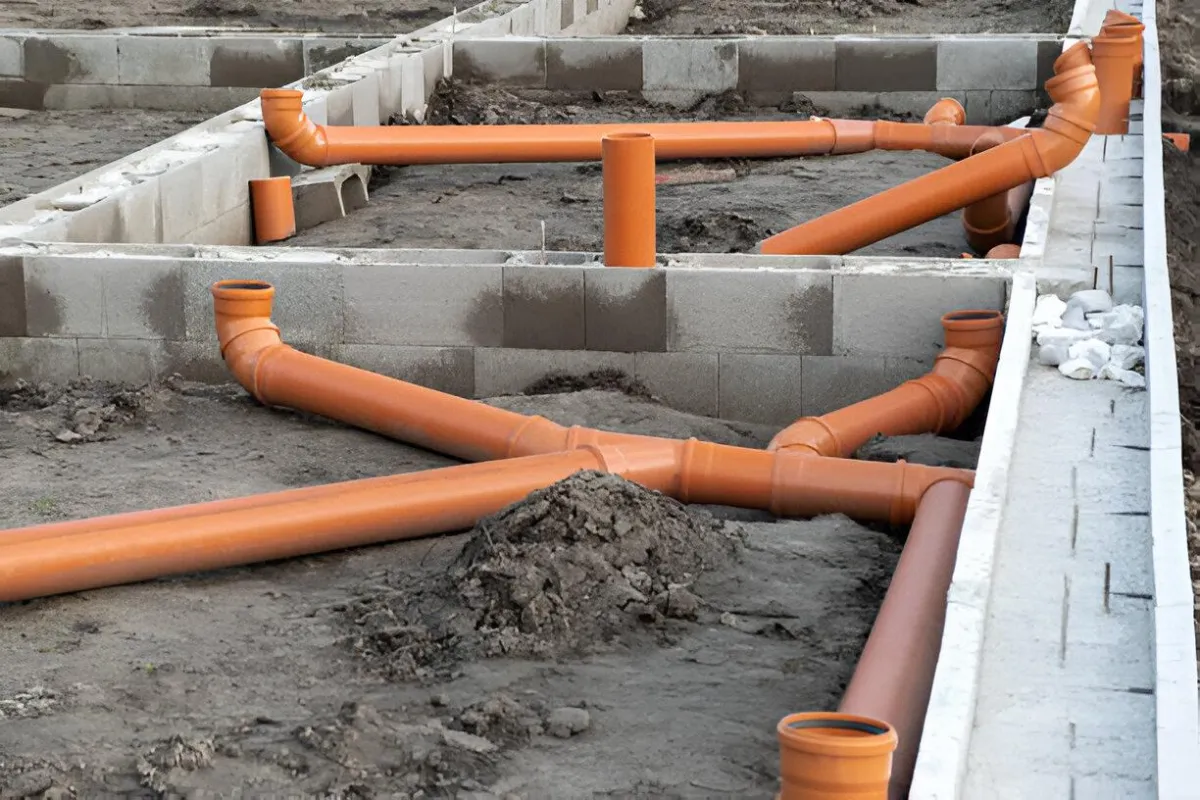
6 Sewer Line Warning Signs You Should Not Ignore
A dripping faucet announces itself. A failing sewer line does not. It sits buried under your yard, giving off small, easy-to-dismiss signals for months, and then one evening every drain in the house backs up at once.
The good news is that those early signals are consistent and recognizable. Catch them, and you are looking at a targeted repair. Miss them, and you are looking at contaminated flooring, a restoration crew, and a bill several times larger.
By Ramin Shahbaziasl, Owner, Eastside Repipe and Plumbing · Last updated July 15, 2025
Here are the six signs worth acting on, what causes them, and what to do next.
Before you read further, one thing worth knowing: in most cases, the homeowner owns and maintains the sewer lateral, the pipe running from the house out to the municipal main. The city maintains the main itself. Where the problem sits determines who pays for it, which is one of the first things an inspection establishes.
Why Sewer Problems Cannot Wait
Sewer lines are buried, so by the time a symptom reaches you, the underlying damage has usually been developing for a while. Left alone, a failing line leads to:
Sewage backing up into the house
Exposure to contaminated water
Water damage and mold growth
Damage to the foundation and landscaping
A repair bill several times what early intervention would have cost
The health side is not hypothetical. A University of Maryland study of homes that had experienced sewage backups found harmful bacteria in 34 of the 40 homes tested, in some cases more than six months after the event, with antibiotic-resistant strains present in seven of them. This is not a mess you want to live alongside or clean up yourself.
The 6 Warning Signs
1. Slow Drains Throughout the House
One slow sink is a local clog. Every sink, tub, and toilet draining slowly at the same time points to the main line, particularly if plunging changes nothing.
This is the earliest reliable sign and the cheapest point to intervene.
2. Gurgling from Toilets or Drains
Bubbling or gurgling means air is trapped where it should not be, which usually indicates a partial blockage downstream. It often shows up when you run a different fixture, so flushing a toilet makes the shower drain gurgle.
Most homeowners live with this sound for months before calling.
3. Sewage Odors Indoors or in the Yard
A properly sealed sewer system should be odorless. Smelling sewage near a drain, in a crawl space, or out in the yard means waste is escaping somewhere it should not, either through a cracked pipe or a failed seal.
4. Repeated Toilet Backups
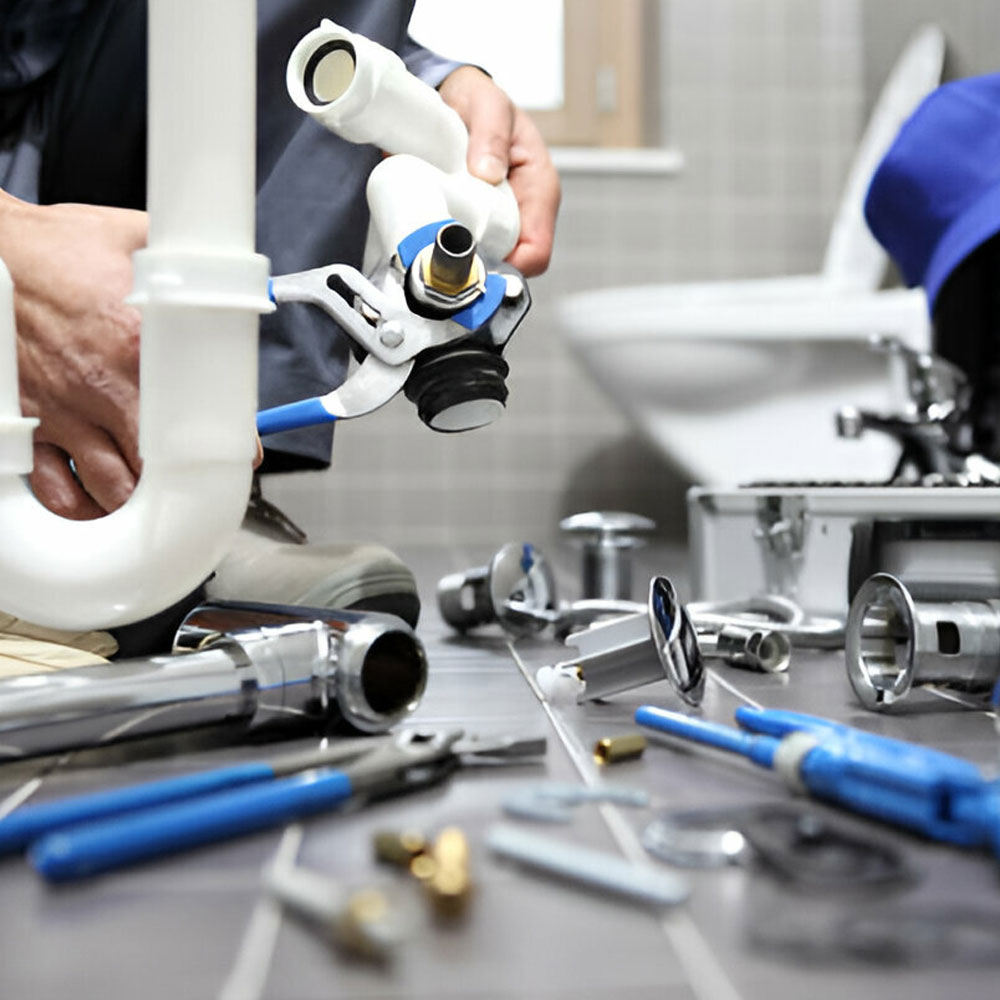
A toilet that overflows occasionally with no obvious cause, and especially one that backs up when you run the washing machine or dishwasher, is reacting to a restriction further down the line rather than to anything in the bowl.
5. Wet or Unusually Green Patches in the Yard
A section of lawn that stays soggy through dry weather, or a patch noticeably greener than everything around it, often sits directly above a cracked or leaking sewer line. Sewage is fertilizer, which is why the grass gives it away.
6. Mold Growth and Unexplained Water Damage
Water stains, buckling flooring, or mold appearing on lower levels can trace back to a hidden sewage leak rather than a supply line. If you cannot find a plumbing source above the damage, look below.
If you are seeing any of these, do not wait for sewage to reach the floor. Contact us or call 425-331-2011.
What Causes Sewer Line Failure
Tree root intrusion. Roots grow toward moisture and find their way into joints and hairline cracks in older lines, then expand until the pipe is blocked or broken.
Pipe corrosion and age. Cast iron and older clay laterals deteriorate over decades. Our guide to corroded pipe repair covers what that looks like.
Improper installation. Insufficient slope or misaligned joints create low spots where waste collects, and blockages start.
Debris buildup. Grease, wipes, and hygiene products do not break down. They accumulate at rough spots until flow stops. Our guide on preventing clogged drains covers what should never go down the line.
Ground movement. Settling, saturated soil, and seismic activity all shift buried pipe out of alignment over time.
Identifying which of these is at work determines whether you need a cleaning, a spot repair, or a replacement.
How a Sewer Inspection Works
Guessing at a buried pipe means digging to find out. A camera inspection means you know before anyone breaks ground.
A waterproof camera is fed into the line through a cleanout, sending back live video of the interior. It shows exactly where the problem is, how far along the line it sits, and what kind of problem it is: roots, a crack, a sag holding standing water, or a straightforward blockage.
That distinction matters commercially as well as technically. A camera run tells you whether the fault sits on your lateral or past the property line on the city's main, which determines who is responsible for fixing it.
You can see the full scope of what we handle on our specialized plumbing page.
What Happens After a Problem Is Found
Detailed diagnosis. You get a clear explanation of what the camera found, where it is, and how serious it is.
Repair options. Depending on severity, that may mean clearing the line, a spot repair, pipe lining, or full replacement. We explain the tradeoffs rather than defaulting to the largest job.
Written quote. Up-front pricing before anything starts. Our SeaTac plumbing cost guide gives you a sense of typical ranges beforehand.
The repair itself. Where the situation allows, trenchless methods reduce how much digging is needed. For lines past saving, our guide to waste line replacement walks through the process.
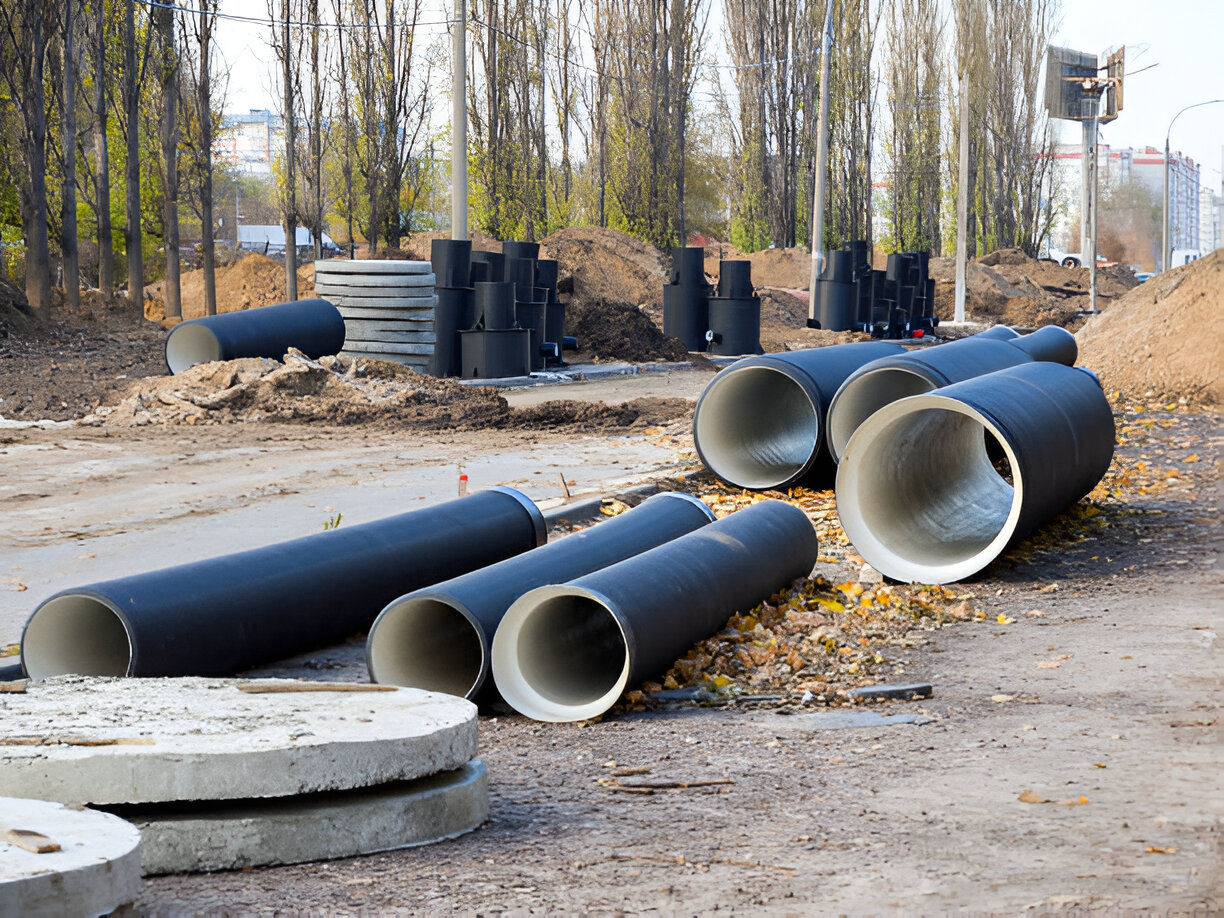
What Ignoring It Actually Costs
Health risk. Raw sewage carries bacteria, viruses, and parasites. Do not attempt cleanup yourself, and do not run household fans or vacuums in an affected area, since both can spread contaminated aerosols.
Structural damage. A leaking line saturates soil around foundations and under slabs, and the damage compounds quietly.
Insurance gaps. This is the one that surprises people. Standard homeowners policies typically exclude sewer backup damage unless you have specifically purchased a sewer backup endorsement. Check your policy now rather than after an event.
Property value. A documented sewer problem shows up in inspection during a sale, and buyers price it in aggressively.
Sewer Maintenance That Actually Helps
Keep the wrong things out of the line. Wipes, hygiene products, and cooking grease cause more residential sewer blockages than anything except roots.
Consider a backwater valve. It prevents sewage from re-entering the home if the municipal main surcharges during heavy rain.
Inspect every one to two years. More often if you have mature trees near the sewer run or a house built before 1980.
Use enzyme-based drain treatments. They break down organic buildup without the pipe damage caustic chemical cleaners can cause.
Act on the early signs. Gurgling and slow drains are cheap to investigate and expensive to ignore.
Frequently Asked Questions
Who is responsible for the sewer line, me or the city?
In most cases, you own the lateral running from your house to the municipal main, and the city owns the main. A camera inspection establishes which side of that boundary the problem sits on.
How much does a sewer camera inspection cost?
It varies with access and line length, and it is a small fraction of what exploratory digging costs. Our cost guide covers typical local pricing, or call for a quote on your property.
Can tree roots really break a sewer pipe?
Yes, and they are among the most common causes we see. Roots find hairline cracks and joints, then expand as they grow until the pipe is blocked or split open.
Does homeowners insurance cover sewer backups?
Usually not by default. Most standard policies exclude it unless you have added a sewer backup endorsement. Worth confirming with your insurer before you need it.
Should I clean up a sewage backup myself?
No. Sewage is a biohazard, and research has found harmful bacteria persisting in affected homes months afterward. Keep people and pets out of the area, stop using every fixture in the house, and call for professional service and sanitation.
How often should an older home have its sewer line inspected?
Every one to two years for homes built before 1980, or any property with mature trees near the sewer run. Newer homes can generally stretch to every few years absent symptoms.
Why Homeowners Call Us
Camera diagnostics, so you see the problem before committing to a repair
Clear pricing with no hidden fees
Same-day and 24/7 emergency service for active backups
Trenchless methods where the situation allows
Decades of experience across SeaTac, Bellevue, and the wider service area
Washington requires plumbing work to be performed by certified plumbers employed by a licensed contractor. You can verify any company's license, bond, and insurance status for free through the state Department of Labor and Industries.
Book an Inspection Before It Becomes an Emergency
Gurgling drains and a soggy patch of lawn are cheap problems. Sewage across a finished floor is not, and the gap between them is usually a few months.
If you have spotted any of the six signs above, schedule an inspection or call 425-331-2011. We will tell you what is actually happening in the line before anyone starts digging.
