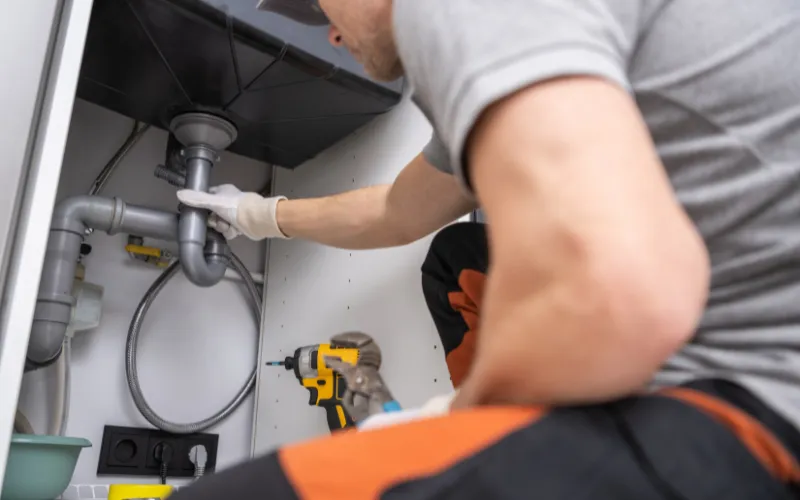
Budget-Friendly Plumbers: How to Judge Value
Every plumbing company says it offers fair pricing. What actually helps is knowing how to read a quote, because the difference between a genuinely competitive price and a risky one is rarely visible in the headline number.
By Ramin Shahbaziasl, Owner, Eastside Repipe and Plumbing · Last updated October 11, 2025
This guide covers what makes a low price legitimate, what a too-low bid usually leaves out, and the one-minute check that rules out the worst options before you go any further.
What Makes a Price Genuinely Competitive
Some companies price lower because they are leaner: established supplier relationships, efficient scheduling, low overhead, and crews who have done the same job hundreds of times. That is a real saving, and it gets passed on.
Others price lower because something is missing from the quote. Both look the same on a summary line, which is why the comparison has to happen at the detail level.
Signs the price is honest:
Itemized pricing. Labour, materials, permits, and restoration listed separately
Named materials. Brand and specification, not "PEX" or "copper" alone
A written warranty, with a stated duration for workmanship and for materials
The unglamorous items included. Permits, testing, wall patching, cleanup, haul away
A straight answer when you ask why their number differs from someone else's
What a Too-Low Quote Usually Excludes
No licence or insurance. The single largest cost a contractor can avoid, and the one that transfers risk to you
No permit. Cheaper today, a problem at inspection or resale
Lower-grade or mixed materials
Restoration quoted separately and introduced after the walls are open
No pressure testing, which is not optional on a repipe
Subcontracted labour at rates that suggest the crew is not certified
Ask directly why a quote is lower. A specific answer is reassuring. A vague one is the answer.

The One-Minute Check Worth Doing First
Before comparing anything, run the business name through Washington's free contractor lookup:
It returns license status, bond, insurance, UBI number, expiration date, and any infractions or suspensions on record. It takes about a minute, and it eliminates the quotes that are cheap for the wrong reason before you spend time on them.
Do it for us too. We would rather you did than take our word for it.
Our guide to what certification actually requires in Washington covers what the results mean, and our guide to hiring an insured contractor covers what the coverage protects you from.
How to Compare Quotes Properly
Put the bids side by side and check each of these:
Is the permit included, and who pulls it?
Is wall patching and cleanup in the price, or separate?
Is the material brand and specification named?
What is the workmanship warranty, in years and in writing?
Is testing mentioned?
How are change orders handled if something is found mid-job?
Does the license check out on the L&I lookup?
A bid that cannot answer these is not cheaper. It is incomplete, and the difference arrives later as an invoice.
Where the Savings Actually Are
These reduce the price without reducing the standard.
Fix things early. A slow drain investigated now costs a fraction of the same problem after it backs up. This is the largest single saving available, and it costs nothing but attention.
Bundle work into one visit. Several small jobs in one trip means one mobilisation rather than three.
Schedule outside peak periods and outside emergency hours. After-hours rates exist for a reason and avoiding them is straightforward when the work is planned.
Improve access yourself. Clearing crawl spaces and moving furniture is time the crew does not bill for.
Ask about material options. PEX generally costs less than copper to buy and install, and for most homes it performs just as well. Whether it suits yours is a technical question rather than a budget one, and our comparison of PEX and copper covers it.
Keep up with maintenance. Annual water heater flushing, not pouring grease down the sink, and an inspection every year or two prevent the emergencies that cost most.
Saving on a Repipe Specifically
Repiping is the largest plumbing expense most homeowners face, and it is where quote comparison matters most.
The variables that move the price: house size and fixture count, single or two-storey, crawlspace or slab, how much drywall comes out and goes back, and the material. Access is usually a bigger factor than material choice.
Where it makes sense, phasing the work spreads the cost. That works when part of the system genuinely has life left, so it needs an honest assessment rather than an assumption. Our guide to finding an affordable repiping contractor covers the comparison in more detail, and our plumber cost guide covers typical local rates.

Red Flags
A quote well below the others with no explanation of what it excludes
No license number offered, or reluctance to provide one
Any suggestion a permit is unnecessary
Verbal pricing only
Pressure to decide immediately. Urgency is what makes people skip the checks above
A large deposit before work begins
How We Price
We quote in writing before starting, itemized into labour, materials, permits, and restoration. The number in the quote is the number on the invoice unless something is found that genuinely changes the scope, in which case you hear about it before we proceed rather than after.
We specialize in repiping rather than doing a bit of everything, which is where our efficiency comes from. We pull permits in our own name, and we are licensed, bonded, and insured, all of which you can confirm at secure.lni.wa.gov/verify.
Estimates are free.
Frequently Asked Questions
How do I know if a plumber's pricing is fair?
Look for an itemized written quote naming materials, permits, and restoration separately, plus a stated warranty. Compare bids on what is included rather than the total, and ask any outlier why their number differs.
Can a lower-priced plumber still do good work?
Yes. Efficiency, supplier relationships, and specializing in one type of job are all genuine sources of savings. Verify the license and read the quote, and the difference between lean and risky becomes clear.
What is the difference between a cheap quote and a good-value one?
A good-value quote covers the whole job at a competitive rate. A cheap quote covers part of the job, and the rest arrives as change orders. The tell is what is written down.
Does preventive maintenance actually save money?
Yes, and it is the largest saving available. Emergency work costs more per hour, happens at the worst time, and usually involves damage that planned work would have avoided.
How do I verify a plumber's license and insurance?
Use the L&I lookup. Enter the business name, and it returns license status, bond, insurance, and any infractions. Then ask the contractor for certificates of insurance directly.
Do you offer free estimates?
Yes. We assess the work, quote it in writing, and there is no obligation.
Get a Quote You Can Actually Compare
The useful question is not who is cheapest. It is which quote covers the whole job, because that is the one whose price will still be the price at the end.
Request a free estimate or call 425-331-2011. We will assess the work, itemize it, and tell you plainly if something smaller than you expected would solve the problem.
See our repiping services and general plumbing services for what we handle. We serve Bellevue, Kirkland, Redmond, Bothell, Renton, Issaquah, Sammamish, Seattle, and the wider Eastside service area.
