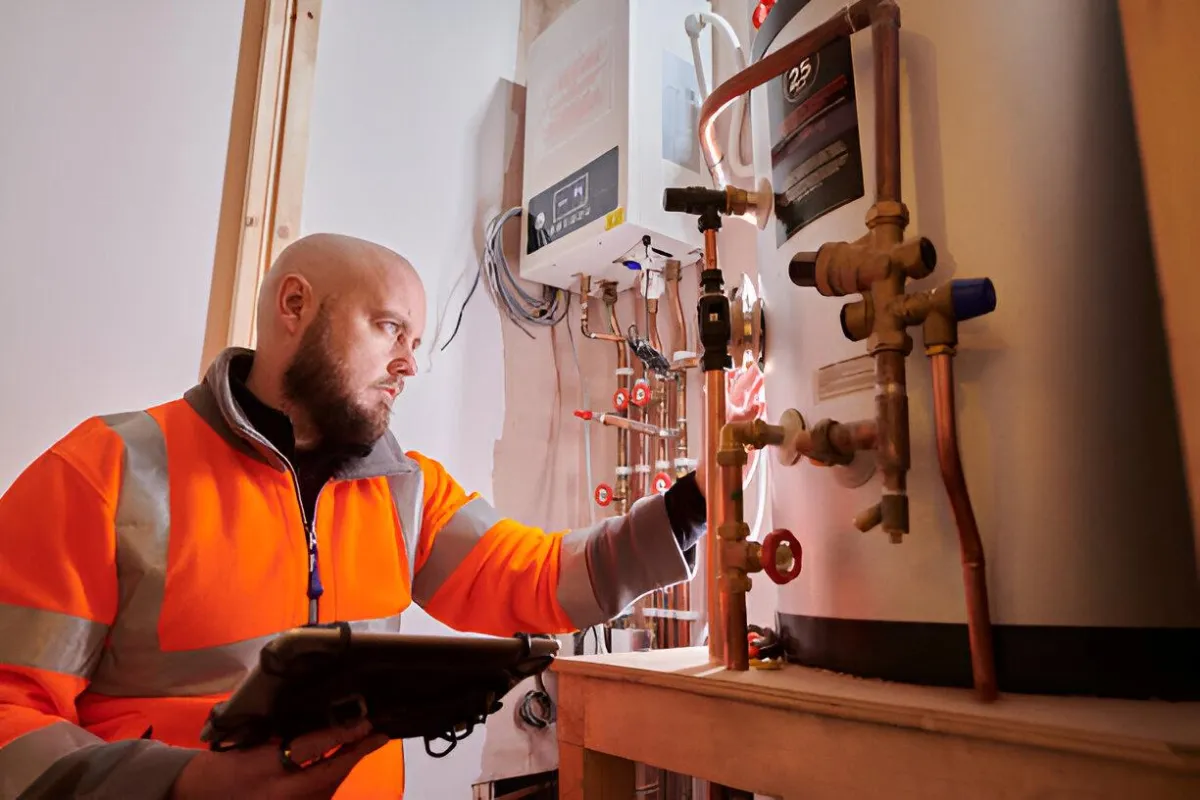
Why Is My Water Heater Not Working? 5 Possible Reasons
By Ramin Shahbaziasl, Owner, Eastside Repipe and Plumbing · Last updated July 25, 2025
You notice it in the shower, usually at the worst possible moment. No hot water, or hot water that runs out in ninety seconds.
The good news is that most no hot water calls trace back to one of a handful of causes, and two of them you can check yourself in about five minutes. Here is what is most likely going on, what is safe to look at, and when to stop and call someone.
Before anything else, two quick checks:
Electric units: check the breaker. Then open the upper access panel and look for a red reset button on the thermostat. If it has tripped, press it. A tripped high limit switch is one of the most common causes of no hot water and one of the easiest to fix. If it trips again, stop and call. Something is causing it.
Gas units: confirm the gas shutoff valve serving the heater is open, and that other gas appliances in the house are working.
If neither of those solves it, keep reading.
1. Thermostat Problems
A thermostat set too low, or one that has failed outright, means the unit never reaches temperature.
What to check:
Find the thermostat behind the access panel
Confirm the setting
If the setting is correct and water still will not heat, the thermostat likely needs replacing
Set it to 120°F. Not higher. The Consumer Product Safety Commission urges homeowners to use 120°F to reduce or eliminate most tap water scald injuries, and the burn times explain why: at 140°F, third-degree burns take six seconds. At 130°F, thirty seconds. At 120°F, five minutes. 120°F is still hot enough for showers, laundry, and dishwashing.
2. Pilot Light or Ignition Failure
On gas units, no ignition means no heat.
What it looks like:
No flame visible through the viewing window
Repeated clicking with no ignition
The unit lights and then goes out again shortly after
Read this before you touch anything. If you smell gas at any point, do not attempt to relight. Puget Sound Energy, the gas utility for this area, advises leaving the building immediately, avoiding anything that could create a spark, including light switches and landline phones, and calling them at 1-888-225-5773 or 911 from outside.
Even without a gas smell, PSE recommends calling them if your pilot light goes out and you are unsure about relighting it. They provide free safety checks on gas appliances.
If the pilot lights but will not stay lit, the thermocouple is the usual culprit, and that is a job for a licensed technician rather than a second attempt.
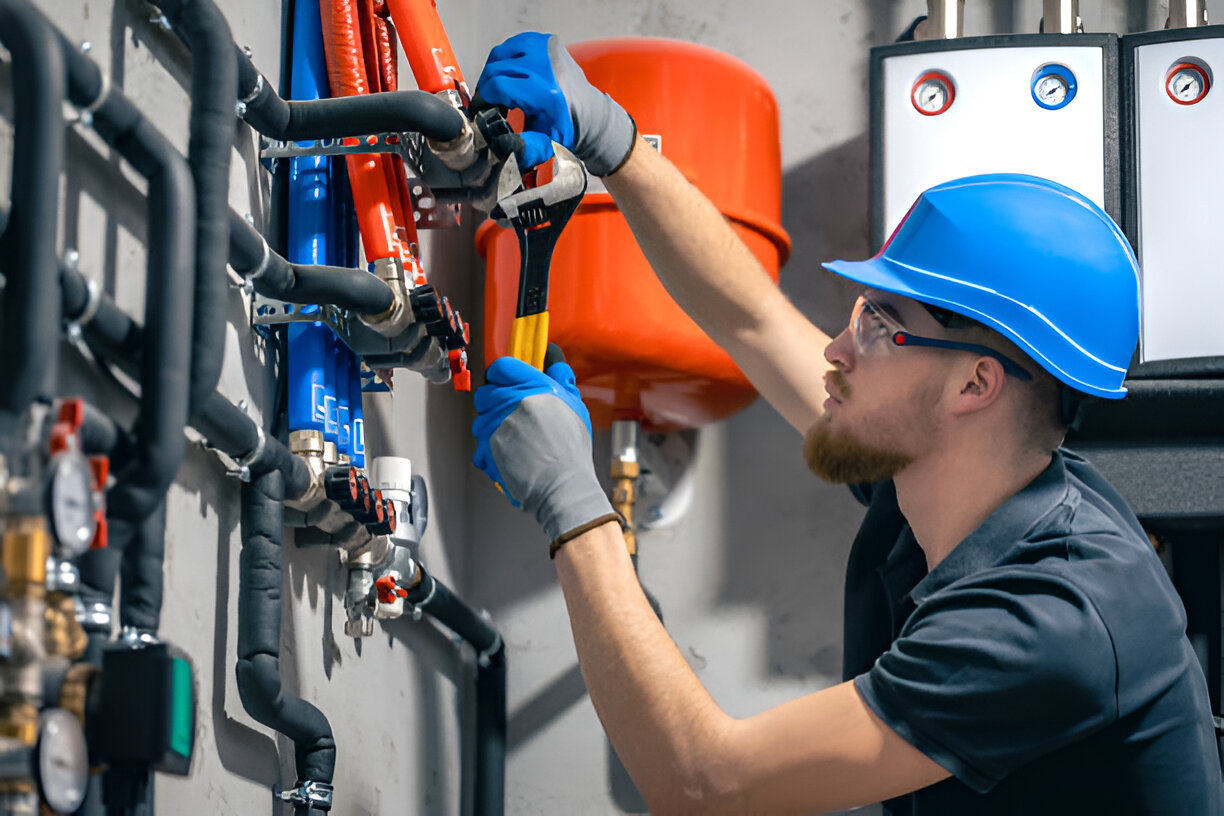
3. Sediment Buildup in the Tank
Minerals settle out of the water and collect at the bottom of the tank, forming a layer that sits between the burner and the water it is supposed to heat.
Symptoms:
Rumbling, popping, or crackling from the tank
Water temperature that varies without explanation
Energy bills climbing while usage stays flat
Less hot water available than the tank should hold
The fix is an annual flush. Two cautions if you are doing it yourself: the water coming out is scalding, and on a tank that has not been drained in many years, the drain valve sometimes fails to reseal afterward. If yours is older, it is worth having done.
Sediment left long enough shortens the life of the tank, so this is maintenance that pays for itself.
4. Failed Heating Element
Electric units use one or two heating elements. When one fails, you get roughly half the hot water you used to.
What it looks like:
Lukewarm water no matter how long you wait
A short burst of hot water that turns cold quickly
Hot water that has gradually declined over weeks
Testing an element requires cutting power at the breaker and using a multimeter, so this is one to hand off. Replacing the wrong component because the symptoms overlap with a failed thermostat is a common and avoidable expense.
A related cause worth knowing: a broken dip tube produces almost the same symptom. The dip tube carries incoming cold water to the bottom of the tank. When it cracks, cold water mixes in at the top and goes straight out to your fixtures. If your hot water turned lukewarm fairly suddenly and the unit is around a decade old, this is a strong candidate.
5. Capacity Does Not Match Your Household
Sometimes nothing is broken. The tank is simply smaller than your household's demand.
If you run out of hot water when two showers overlap, or after the dishwasher and laundry run back to back, the unit is working correctly and is just undersized.
Options:
Move to a larger tank
Switch to a tankless system, which heats on demand with no capacity limit
Stagger high-demand activities where practical
We can size the right unit for your household rather than defaulting to the largest one available. Request a consultation to talk it through.
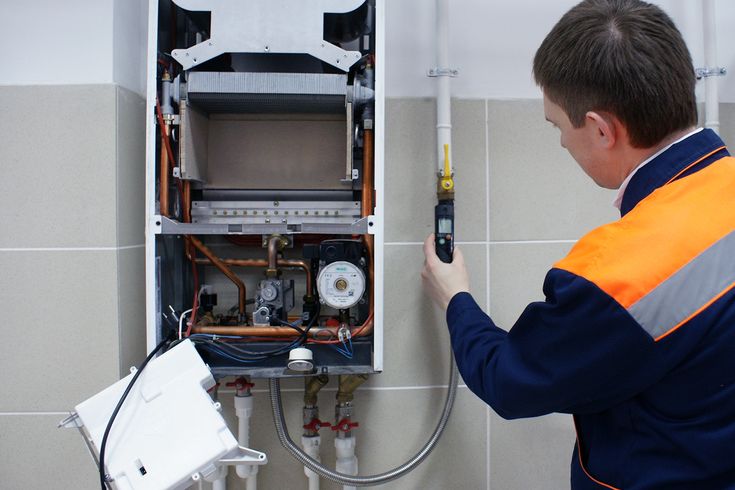
When to Stop Troubleshooting and Call
Call a licensed plumber if any of these apply:
Water pooling around the base of the tank. A leaking tank body cannot be repaired, and it will get worse. This one is urgent
Visible rust or corrosion on the tank or fittings
Discolored or foul-smelling hot water, which usually indicates a failed anode rod or bacterial growth inside the tank
The unit is 10 or more years old and behaving unpredictably
The reset button trips repeatedly
Any gas smell whatsoever. Leave first, call from outside
If the tank is actively leaking, shut off the water supply at the valve on top of the unit and cut power or gas before calling. Our guide on what to do during a plumbing emergency covers the first steps, and we run 24/7 emergency service.
If you are weighing repair against replacement, our guide to water heater warning signs covers where the line usually falls, and our repair cost guide covers typical pricing.
You can verify any Washington contractor's license, bond, and insurance for free through the state Department of Labor and Industries before you book.
Preventing the Next Failure
Water heaters give plenty of warning before they quit. Annual maintenance catches it:
Flush the tank yearly to clear sediment
Check the anode rod every two to three years and replace it when depleted. It corrodes so the tank does not, and a fresh rod is far cheaper than a new heater
Test the temperature and pressure relief valve annually
Confirm the thermostat setting is still at 120°F
Look at the base and fittings for early moisture whenever you are near the unit
All of this is part of a whole home plumbing inspection, which is the easiest way to stay ahead of it.
Frequently Asked Questions
Where is the reset button on a water heater?
On electric units, behind the upper access panel, usually a red button on the thermostat. Press it once. If it trips again, something is causing it, and the unit needs diagnosing rather than another reset.
Why does my hot water run out so fast?
Most often, sediment reducing usable tank capacity, a failed heating element on an electric unit, or a broken dip tube. If nothing changed mechanically and your household grew, it may simply be undersized.
What temperature should my water heater be set to?
120°F. Hot enough for every household task, substantially safer, slows mineral buildup, and lowers your energy bill.
How long should a water heater last?
Eight to twelve years for a tank unit, longer with annual flushing. Past ten years, a major repair is usually worth weighing against replacement.
Can I relight the pilot light myself?
Only if you are confident and there is no gas smell. PSE recommends calling them at 1-888-225-5773 if you are unsure, and they will check it at no charge. If you smell gas, leave the building first and call from outside.
Is a leaking water heater an emergency?
If water is pooling at the base, yes. That usually means the tank itself has failed, and tank failures tend to go from a small puddle to a large volume of water without much warning.
Getting Your Hot Water Back
Most no hot water calls come down to a reset button, a thermostat, sediment, or an element, and only one of those requires replacing the unit. Working through the checks above tells you fairly quickly which situation you are in.
If you would rather not guess, book a service call or ring 425-331-2011. We diagnose, repair, and replace water heaters across Bellevue, Kirkland, Redmond, Seattle, and the wider Eastside service area.
