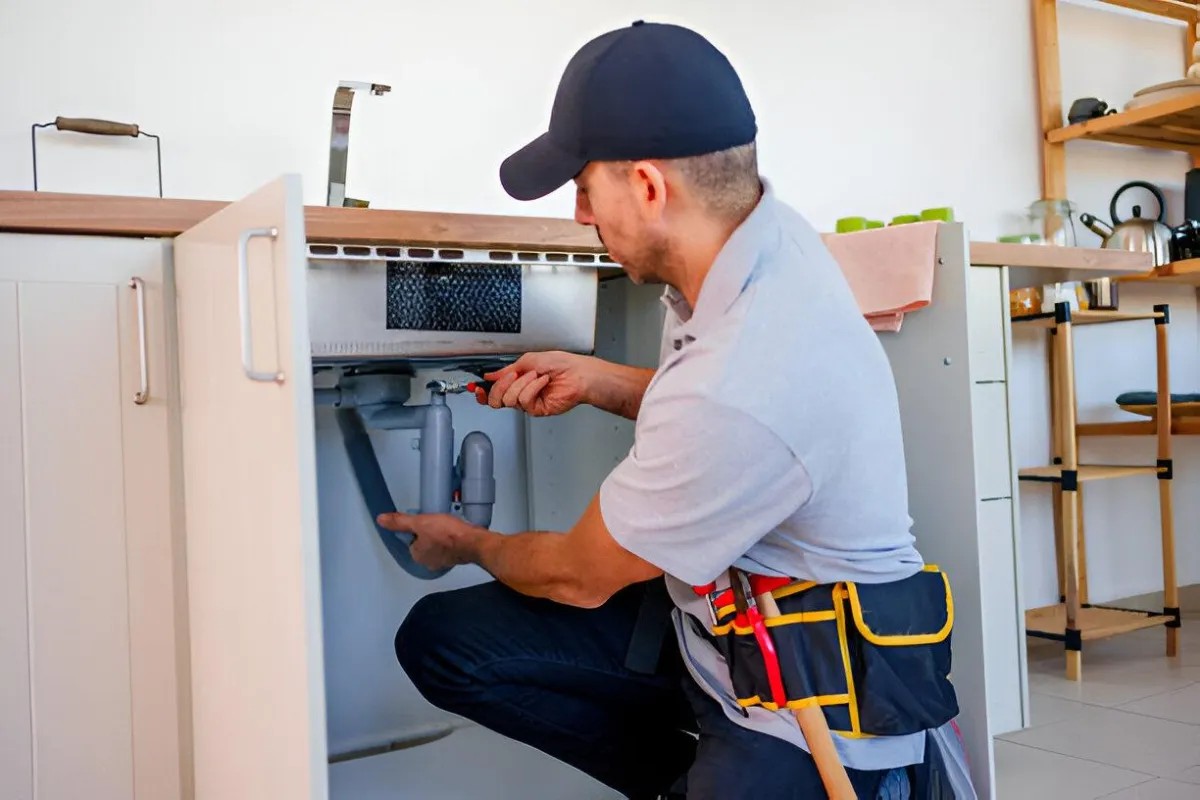
What’s Included in a Whole-Home Plumbing Inspection?
Most of your plumbing system is invisible. It runs behind drywall, under floors, and through crawl spaces, which means problems develop for months before anything reaches you as a symptom.
By Ramin Shahbaziasl, Owner, Eastside Repipe and Plumbing · Last updated July 15, 2025
A whole home plumbing inspection is how you find those problems while they are still cheap. Whether you are buying, selling, or just want to stop guessing about a system you cannot see, here is exactly what a thorough inspection covers.
The eight-point checklist:
Visual pipe inspection
Water pressure testing
Drainage and flow evaluation
Faucet and fixture check
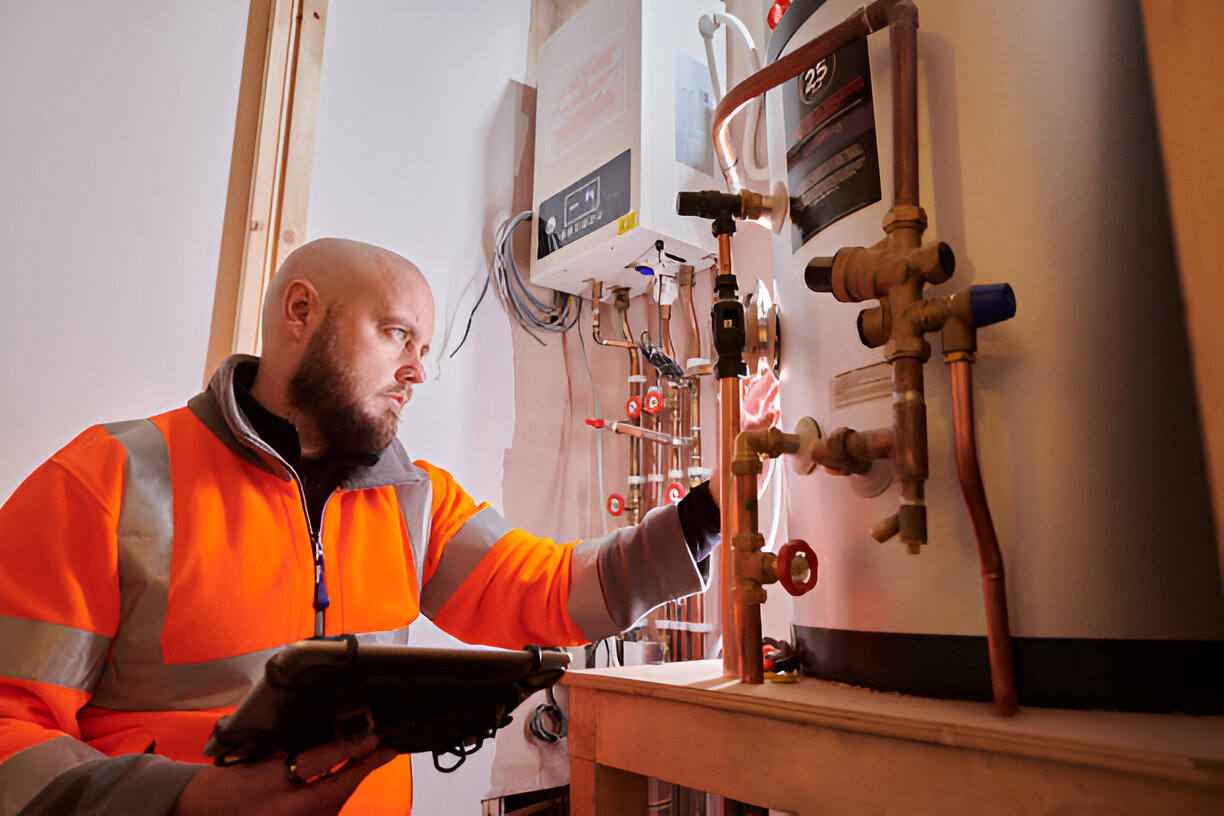
Water heater assessment
Sewer line inspection
Shutoff valve review
Appliance connection checks
Why Inspections Are Worth Doing
Small plumbing problems are quiet. A pinhole leak inside a wall does not announce itself until the drywall stains, by which point the framing behind it has been wet for weeks.
An inspection gives you early warning on:
Hidden leaks and the water damage that follows
Water pressure outside the safe range
Pipe corrosion and developing clogs
A water heater approaching failure
Sewer line problems building underground
Our roundup of the top 10 plumbing problems covers what these look like once they surface. The point of an inspection is to catch them before they do.
What the Inspection Covers
1. Visual Pipe Inspection
We examine every accessible run of pipe for:
Corrosion, rust, and mineral scale
Active leaks or moisture staining
Evidence of past repairs and patch jobs
Pipe material, whether galvanized steel, copper, PEX, or PVC
Material matters more than most homeowners expect. Galvanized supply lines corrode from the inside out and have a predictable end of life, so identifying them tells you a lot about what the next decade looks like.
2. Water Pressure Testing
Household water pressure should sit between 40 and 80 PSI. Below that, fixtures underperform. Above it, you are steadily stressing every joint, valve, and appliance connection in the house.
Pressure outside that range usually points to one of three things:
A hidden leak bleeding pressure off the system
Sediment or scale narrowing the supply line
A failed or missing pressure regulator
3. Drainage and Flow Evaluation
We run every drain and watch how it behaves. Slow drainage, gurgling, or bubbling points to:
Partial clogs building in the line
Blocked vent pipes, which is a commonly missed cause
Pipe sections that have sagged or shifted out of alignment
If drains are backing up repeatedly, our guide to preventing clogged drains covers what is usually causing it.
4. Faucet and Fixture Check
Every faucet, showerhead, and toilet gets checked for leaks, flow rate, secure mounting, and wear on seals and valves.
These are the smallest items on the list and often the most wasteful. The EPA reports that household leaks waste more than 9,300 gallons a year on average, and a single faucet dripping once per second accounts for over 3,000 of those.
5. Water Heater Assessment
The water heater is one of the most expensive components in the system and one of the easiest to neglect. We check:
Leaks and corrosion, especially around the base and fittings
Sediment accumulation in the tank
The anode rod, which corrodes so the tank does not
The temperature and pressure relief valve
The thermostat setting
On temperature: set it to 120°F. The Consumer Product Safety Commission urges homeowners to use 120°F to reduce or eliminate the risk of most tap water scald injuries. The margin matters more than it sounds. At 130°F, thirty seconds of contact causes third-degree burns. At 120°F, it takes five minutes.
If the unit is showing symptoms, our guide to water heater warning signs covers the repair or replace decision.
6. Sewer Line Inspection
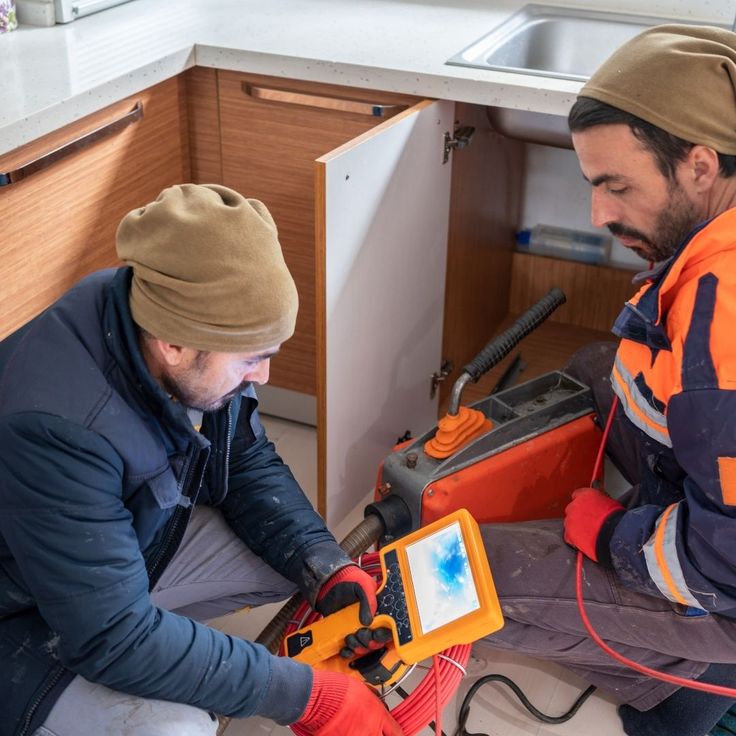
Not always part of a basic inspection, but worth adding for older properties or any home with mature trees near the sewer run. A camera run through the line shows:
Tree root intrusion at joints
Pipe misalignment or sagging sections
Cracks and breaks below ground
Where the problem sits relative to your property line, which determines whether it is your responsibility or the city's
Our guide to sewer line warning signs covers the symptoms that make this worth adding.
7. Shutoff Valve Review
This is the least glamorous item on the list and possibly the most valuable.
We locate the main shutoff, confirm it actually turns, and check the individual stops behind sinks, toilets, and appliances. A valve that has not moved in fifteen years frequently will not close when you need it to, and that is not something you want to discover during an emergency.
We also label it, so anyone in the household can find it. Our guide on what to do during a plumbing emergency explains why this is the first step in almost every water emergency.
8. Appliance Connection Checks
Dishwashers, washing machines, refrigerators with ice makers, and water heaters all tie into your plumbing, and their connections fail more often than the pipes do. We check supply lines, drain hoses, shutoff valves, and the floor and wall around each connection for early moisture.
Braided steel supply lines on a washing machine are one of the cheapest upgrades available and prevent one of the more common causes of household flooding.
When to Schedule an Inspection
Annually, as routine maintenance
Before buying a home, since a standard home inspection covers plumbing only superficially
Before listing a home, so nothing surfaces during the buyer's inspection
After a hard freeze or earthquake, which is when hidden damage appears. Our winterizing guide covers the seasonal side
After an unexplained jump in your water bill
Why a Professional Inspection Beats a DIY Walkthrough
You can spot obvious drips yourself. What you cannot do is measure pressure accurately, see inside a sewer line, assess a water heater's remaining life, or tell the difference between a stain from a current leak and one from a repair made a decade ago.
A professional inspection gives you:
Diagnostic equipment rather than guesswork
Judgment on what is urgent, what can wait, and what can be ignored
A written summary of findings and recommended work
Early detection, which is the entire economic argument
If you are comparing providers, verify their license, bond, and insurance for free through the state Department of Labor and Industries. Washington requires plumbing work to be done by certified plumbers employed by a licensed contractor.
How to Prepare
A little setup makes the appointment faster and more thorough:
Clear access to sinks, the water heater, appliances, and the main shutoff
Write down symptoms you have noticed, including low pressure, drips, odd noises, or slow drains
Gather records of past repairs or equipment warranties if you have them
Be available to walk the findings at the end rather than reading them later
Frequently Asked Questions
How long does a whole home plumbing inspection take?
Most take one to two hours depending on the size of the home and how accessible the system is. Adding a sewer camera run extends that.
Is a plumbing inspection the same as a home inspection?
No. A general home inspection touches plumbing briefly as one of many systems. A dedicated plumbing inspection tests pressure, evaluates the water heater in detail, and can include camera work on the sewer line.
How much does a plumbing inspection cost?
Far less than the repairs it prevents. Pricing depends on home size and whether you add a sewer camera inspection. Our plumber cost guide covers typical local rates, or call for a quote.
What temperature should my water heater be set to?
120°F. It is hot enough for showers, laundry, and dishwashing, reduces scald risk substantially, slows mineral buildup, and lowers your energy bill.
Should I get an inspection before buying a house?
Yes, particularly for anything built before 1980. Repiping is one of the larger expenses a homeowner can inherit, and finding galvanized supply lines before closing is considerably better than after.
What is normal water pressure for a home?
Between 40 and 80 PSI, with 50 to 70 sitting in the comfortable middle. Above 80 PSI stresses fittings and appliances and violates most plumbing codes.
Book Your Inspection
An inspection replaces guesswork with a written list of what is fine, what needs watching, and what needs fixing now. For most homeowners, that is the difference between planned maintenance and an emergency call.
Ready to schedule? Book an inspection or call 425-331-2011. We serve Bellevue, Kirkland, Redmond, Seattle, and the wider Eastside service area.
