Galvanized Pipe Replacement: Signs and Costs
By Ramin Shahbaziasl, Owner, Eastside Repipe & Plumbing · Last updated October 06, 2025
Galvanized pipe was a genuinely good material when it was installed. It just wasn't built to last forever, and most of it is well past that point now.
Here's why it fails the way it does, the signs worth acting on, and what full replacement actually involves.
Why Galvanized Pipes Fail
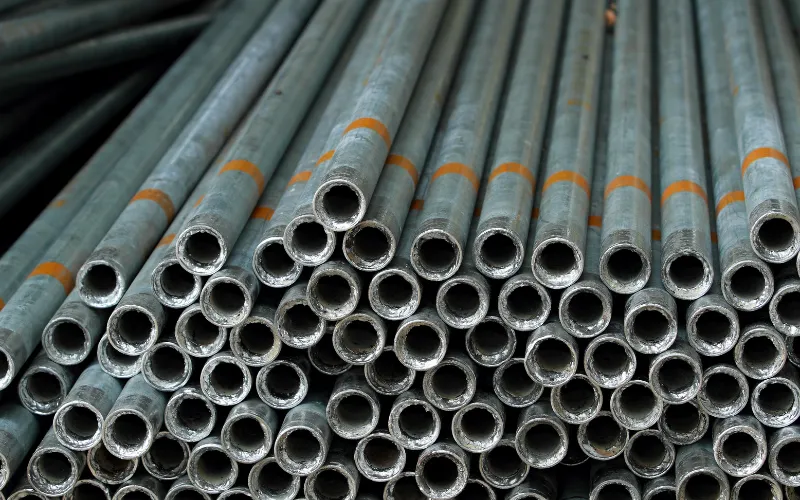
Galvanized pipe is steel coated in zinc, and the zinc is what stops the steel from rusting. Over decades, water wears through that coating. Once it's gone, the steel underneath starts corroding, slowly and invisibly, until the water coming out the other end tells you about it.
Rust builds up inside the pipe the way plaque builds in an artery. The passage narrows, pressure drops, and eventually the pipe wall thins enough to leak.
Most galvanized systems last around 40 to 50 years, less with acidic or hard water, occasionally more. If your house was built before the 1980s and still has original pipe, the odds are not in your favour.
The damage starts inside, where you can't see it. The pipe can look fine on the outside and be failing on the inside.
Signs You Need Replacement
Rust-coloured water. That brown tint is iron oxide from inside the pipe
Weak pressure, especially upstairs or when two fixtures run at once, as buildup narrows the passage
Leaks. Pinholes, small drips, or damp drywall mean a section has corroded through
A metallic taste
Uneven hot water flow. Hot water accelerates corrosion, so the hot line often fails first
Age. A home over 50 years old with original pipe is running on borrowed time regardless of symptoms
A camera inspection or flow test confirms what's happening inside even when nothing looks wrong from outside.

Repair or Replace
Patching a corroded section can buy a few months to a year, and that's a legitimate call when the problem is isolated to one bad run under a sink with the rest of the system sound. Our guides to rusted pipe repair and corroded pipe repair cover when a temporary fix is appropriate and when it isn't.
If pressure is low throughout the house or the water is regularly discoloured, patching stops being a fix and becomes a delay. Replacement is the permanent answer, and it restores the whole system rather than one symptom.
Choosing a Replacement Material
PEX. Flexible, affordable, doesn't rust, bends around corners with fewer joints. The default choice for most homeowners today and well suited to retrofits.
Copper. Strong, durable, and traditional, with a long track record. Handles high heat well but costs more, and it can still corrode in aggressive water, so it isn't automatically maintenance-free.
CPVC. Rigid and affordable, reasonable for cold water lines, but more fragile and not always ideal for hot water applications.
Most homeowners choose PEX for its cost and installation speed, though the right answer depends on your water chemistry, layout, and how long you plan to stay.
Planning the Replacement
Choose the material based on your home rather than habit
Map the existing system. Identify where routing can be simplified and where isolation valves should go, so you can shut off one bathroom instead of the whole house
Pull permits. Required, and most jurisdictions inspect this work regardless
Shut off the main line and drain the system
Replace section by section, bathroom, kitchen, laundry, pressure testing after each phase
Flush the system to clear air and debris, then check every connection for leaks or pressure drops
What It Costs
A full galvanized replacement in an average home typically runs $4,000 to $15,000, depending on house size, wall access, and finish work required afterward. Our plumber cost guide covers typical local rates across services.
To keep the process manageable:
Work in zones rather than the whole house at once
Keep communication open with your plumber throughout
Cover furniture, since dust travels
Never skip pressure testing before walls close. Finding a leak after drywall is sealed is the expensive version of this mistake

After the Job
Flush the new lines by running taps until the water runs clear.
Check your water chemistry. Hard or acidic water shortens the life of any pipe material, including PEX and copper, so a filter or softener is worth considering.
Inspect exposed runs annually. A quick look in the basement or under sinks catches problems early.
Label your valves and keep a diagram. You'll want it during the next emergency, not after.
Common Mistakes to Avoid
Undersizing the new pipe. Pressure depends on it
Hiding joints with no access panel. You'll need to reach them eventually
Skipping permits or inspection. They exist for a reason, and unpermitted work surfaces at resale
Reusing old corroded fittings. Never
Ignoring water chemistry. Even PEX and copper have limits
Replacing in Stages
If budget is tight or you're remodelling one area at a time, phasing is workable. Start with the highest-risk zones, usually the kitchen or a bathroom, and replace the remaining lines later.
Make sure new and old sections connect cleanly, avoid creating dead-end runs that complicate future work, and keep a written record of what's been replaced and what hasn't.
Choosing Who Does the Work
Ask how they plan the job, whether they pressure test each phase, and who pulls the permit. You can verify any Washington contractor's licence, bond, and insurance for free through the state Department of Labor and Industries before you hire anyone.
Frequently Asked Questions
Is galvanized pipe replacement really necessary?
If the pipe is over 40 to 50 years old, corrosion is very likely already established inside, even if nothing looks wrong yet. Repair buys time. It doesn't stop the underlying process.
Can I do a partial replacement?
Yes, if you plan it carefully so future sections connect cleanly to what's already done.
PEX or copper?
PEX is flexible and less expensive to install. Copper is more durable in some conditions but costs more and can still corrode in aggressive water. Both work well when properly installed and matched to your water chemistry.
How long will new pipes last?
PEX and copper both have long service lives, commonly several decades, though the actual number depends heavily on water chemistry and installation quality rather than the material alone.
Will it increase my home's value?
Generally, yes. Documented new plumbing removes a known deduction that shows up during a home inspection, though the exact return depends on the market.
Do you handle this in the Bellevue area specifically?
Yes. If you're in Redmond, our Redmond-specific guide covers how local water chemistry there affects the timeline.
Get It Checked
Old galvanized plumbing causes damage quietly, through mould, rot, and slowly rising bills, long before it announces itself with a burst pipe.
Request a free inspection or quote or call 425-331-2011. We'll plan the replacement properly, in writing, before anything starts.
See our repiping services for the full scope. We serve Bellevue, Kirkland, Redmond, Bothell, Renton, Issaquah, Sammamish, Seattle, and the wider Eastside service area.
