Corroded Pipe Repair: Fix or Replace?
By Ramin Shahbaziasl, Owner, Eastside Repipe & Plumbing · Last updated October 06, 2025
Corrosion doesn't start big. It begins as a little rust, a pinhole leak, and if you leave it, it spreads. The right approach is straightforward: find the damage, patch what can genuinely be patched, and replace what can't.
Here's what actually happens inside a corroding pipe, which temporary fixes are legitimate and which aren't, and how to decide between repair and replacement.
What Actually Happens When a Pipe Corrodes
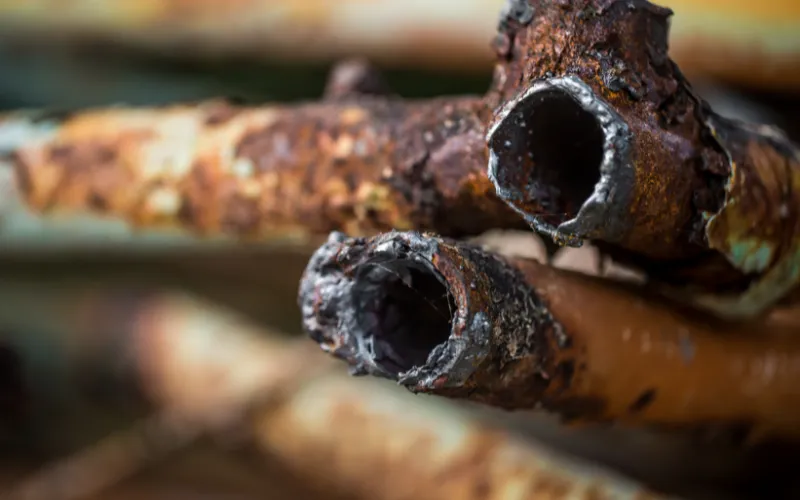
Metal pipes wear down slowly. Water, oxygen, and time do the work. In galvanized pipe, the protective zinc layer thins until it's gone, and then the steel underneath starts rusting fast. The first signs are usually discolored water, weak pressure, or an orange tint around fittings.
It's chemistry and time, not bad luck.
Signs Your Pipes Are Corroding
Brown or rusty water, especially first thing in the morning
Water pressure dropping noticeably
Random leaks at joints or fittings
Flaky metal, crusty edges, or green or orange residue
Rattling or "water hammer" when a faucet shuts off
Two or more of these together means corrosion, not bad luck.
Quick Fixes: What's Legitimate and What Isn't
These buy time. None of them are permanent, and none of them belong on a line that's failing in more than one spot.
Pipe clamps or repair sleeves. Wrap the leak with a rubber gasket and tighten a clamp. Stainless sleeves grip harder and last longer than basic ones. Expect six months to a year, not a permanent fix.
Epoxy putty. Kneaded on and hardens like rock, fine for a small hole or hairline crack. The area needs to be dry for the bond to hold. One important caveat: this is a potable water line. Use only epoxy putty rated for contact with drinking water, meaning it carries NSF/ANSI 61 certification. General-purpose hardware store epoxy is not automatically safe for this use, and it's worth checking the label before you apply anything to a supply line.
Pipe wraps and tapes. Resin-soaked fiberglass wraps seal a leak and add some structure. If the pipe is thin or actively flaking, this won't hold. You can't wrap over active corrosion and expect the metal underneath to stop deteriorating.
Longer-Term Repairs Short of Full Replacement
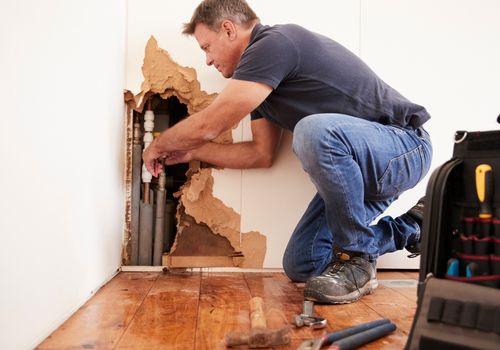
When corrosion is serious but not catastrophic, a few semi-permanent options exist.
Cut and replace small sections. If one area keeps failing, cut it out and replace it with new pipe. If you're mixing metals, use dielectric unions. Steel and copper in direct contact accelerate each other's corrosion, which just creates the next failure at the joint you made.
Replace fittings or joints. Joints corrode first because they trap moisture and buildup. Clean the threads, fit new hardware, and you buy several more years.
Epoxy lining. The inside of the pipe is blasted clean and sprayed with a resin coating that forms a new interior barrier, sealing leaks and smoothing the surface. Not cheap, but considerably less disruptive than opening walls or floors, and done properly it can last 10 to 15 years. This is a job for a professional, not a DIY project.
CIPP, cured-in-place pipe. A resin-soaked liner goes inside the old pipe and cures with steam or UV light into a smooth, jointless new pipe within the old one. Trenchless and fast, but it doesn't fix structural weakness if the pipe wall is already paper thin, and it's used far more often on drain and sewer lines than on pressurised supply lines. Not a fit for every application.
When It's Time to Replace
You can only patch something so many times before it stops making sense.
Ask yourself:
Is the system over 40 years old?
Are leaks happening in multiple places?
Is water flow poor no matter how much you flush the lines?
If most of the answers are yes, replacement is the better call. Repairs are cheaper today. A full replacement hurts once; ongoing repairs hurt every year after.
Choosing a Replacement Material
Copper. Long track record, resists corrosion in most water types, higher cost, and soldering isn't a casual job.
PEX. Flexible, affordable, doesn't corrode, and routes through existing walls with far less demolition. The default for most repiping jobs today.
CPVC or PVC. Suits certain applications, particularly cold water lines. More brittle and not ideal for high heat or sun exposure.
Stainless steel or PP-R. Industrial grade, durable, and generally overkill for a typical home unless the water is especially aggressive.
How Replacement Actually Works
Assessment. We check wall thickness, joints, pressure, and flow to establish what's failing and what can stay
Plan and prep. Material, routing, and access points decided, generally with some drywall access needed
Shutdown and demo. Water off, lines drained, old pipe removed
Installation. New pipe run, connections sealed, everything pressure tested
Test, flush, done. System pressurized, checked for leaks, then flushed to clear debris
Our repiping services page covers what a full replacement involves in more detail, and our guide to galvanized pipe replacement covers that specific material transition. If you're in Redmond, our Redmond-specific guide covers how local water chemistry affects the timeline.
Preventing It From Coming Back
Fixing the pipe without fixing the cause means the corrosion returns.
Get your water tested. Low pH, high oxygen, or chlorides all accelerate corrosion. A softener or filter can slow it considerably.
Flush regularly. Running water through the system periodically clears early scale before it becomes a problem.
Protect exposed pipe. In basements and crawl spaces, moisture and oxygen from the air cause as much damage as water from the inside. Insulating or wrapping exposed sections helps.
Inspect annually. Check visible lines for stains, drips, or flaking before they become expensive.
Keep water moving. Dead-end sections of pipe corrode faster than sections with regular flow.

Repair vs Replacement, Plainly
Repair is quick, cheap, and fine for now. Replacement costs more up front and ends the cycle. If the system is over four decades old, replacement wins. If corrosion is isolated to one small area on an otherwise sound system, repair buys legitimate time.
Corroded pipe repair isn't usually a one-time event. It's part of the aging process, and every patch you add holds a little less well than the last.
Choosing Who Does the Work
Ask for photos before and after. A contractor who shows their cuts and their work area has nothing to hide. One who avoids it, or who keeps offering quick fixes without ever mentioning replacement, may be extending the job rather than solving it.
You can verify any Washington contractor's licence, bond, and insurance for free through the state Department of Labor and Industries before you hire anyone.
Frequently Asked Questions
Can I flush corrosion out myself?
You can try, but it won't repair internal damage. Once the pipe wall has thinned, flushing just moves debris around rather than rebuilding the metal.
How long do epoxy linings last?
Usually 10 to 15 years, sometimes longer, but only when applied correctly. Preparation matters more than the product itself.
Is mixing pipe types a problem?
Only without dielectric fittings at the transition. Steel and copper in direct contact accelerate galvanic corrosion, which creates a new failure point right at the joint.
What's the biggest warning sign that replacement is overdue?
Multiple small leaks appearing in different spots. That's the system telling you it's at the end of its service life rather than experiencing an isolated fault.
Does repiping add value when selling a home?
Generally, yes. Buyers respond well to documented new plumbing, and galvanised pipe is a known deduction during inspection.
Is epoxy putty safe on a water supply line?
Only if it's rated for potable water contact, meaning NSF/ANSI 61 certified. General-purpose epoxy isn't automatically safe for drinking water lines, so check the label before applying anything.
Get It Checked
If your pipes are already leaking, the sensible move is finding out how much of the system is affected before you decide between another patch and a full replacement.
Book an inspection or call 425-331-2011. We'll tell you honestly what's salvageable, what isn't, and the most sensible way to keep your plumbing solid for decades.
We serve Bellevue, Kirkland, Redmond, Bothell, Renton, Issaquah, Sammamish, Seattle, and the wider Eastside service area.
