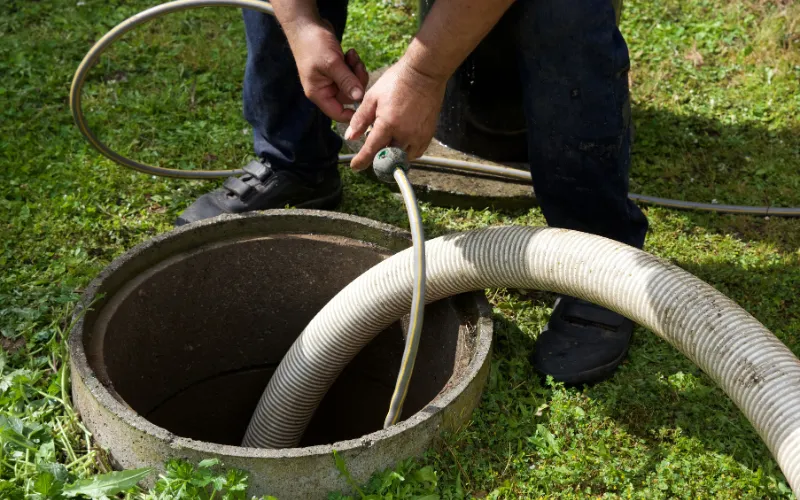
Drain Cleaning in Bellevue: How It Prevents Clogs
By Ramin Shahbaziasl, Owner, Eastside Repipe and Plumbing · Last updated September 17, 2025
A plunger clears the blockage. Professional drain cleaning removes the layer of buildup the blockage formed on, which is why one lasts a few weeks, and the other lasts years.
This guide covers what actually accumulates in a drain, what professional cleaning removes that DIY methods cannot, and how to keep lines clear between visits.
Why Drains Clog
Hair and soap scum. Hair wraps around itself and traps soap residue on the pipe wall. It narrows the line gradually, so the first sign is a slow drain rather than a blockage.
Grease and cooking oil. Poured down warm, it cools and solidifies on the pipe wall. Kitchen lines are the most common repeat offender for exactly this reason.
Wipes and foreign objects. Wipes pass through the toilet but do not break down the way toilet paper does. They are a leading cause of the main line clogs we clear.
Tree roots. Roots find moisture at joints and hairline cracks in older sewer laterals, then expand until the line is blocked. Usually invisible until it is a main line problem, and our guide to sewer line warning signs covers the symptoms.
The pattern that matters: one clog is a clog. The same drain blocking repeatedly is a symptom, and clearing it each time treats the symptom rather than what is causing it.
What Professional Cleaning Removes
A snake or auger breaks a channel through the blockage. That restores flow, which is why it works, but it leaves the coating on the pipe wall intact. That coating is what the next blockage forms on, which is why snaked drains often slow again within months.
Professional cleaning targets the wall rather than the obstruction:
Removes accumulated buildup, not just the blockage
Extends the interval before the next problem
Reduces strain on the pipe, which matters more in older systems
Hydro Jetting and Camera Inspection
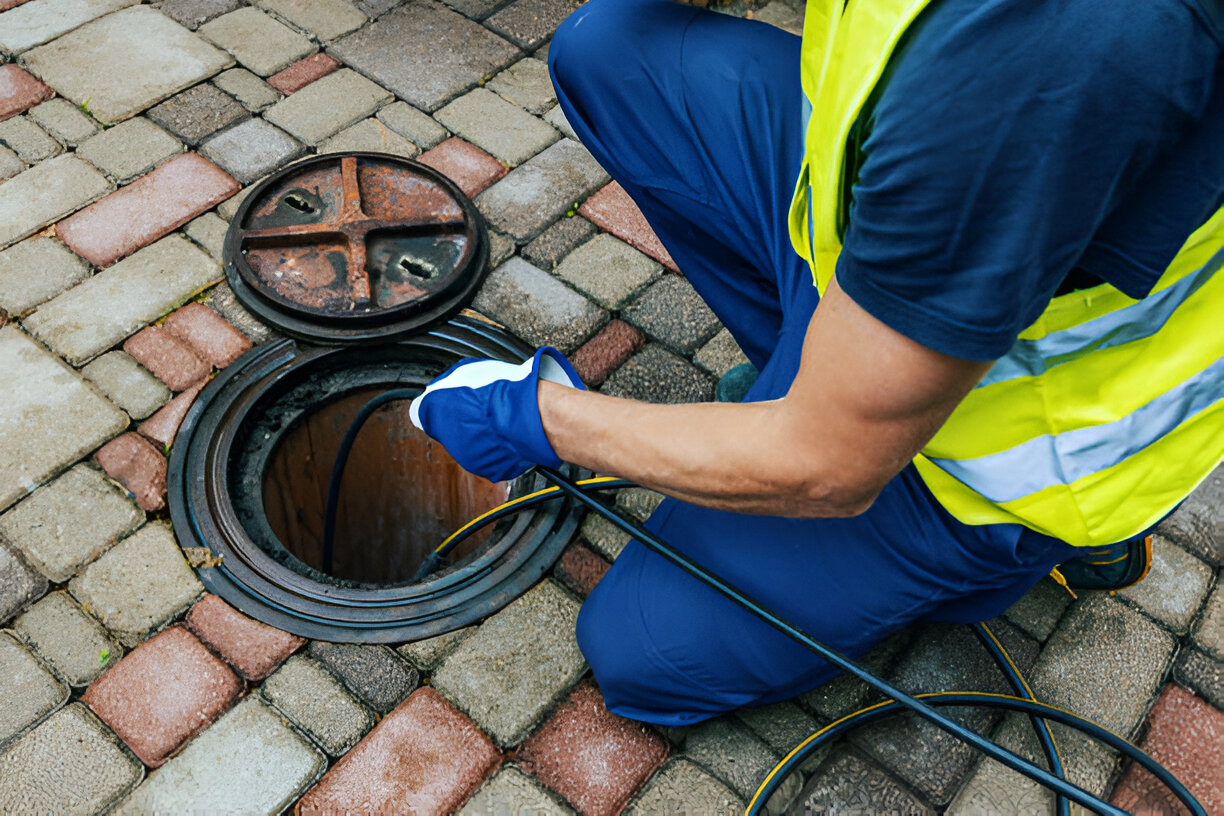
Hydro jetting drives water through a specialized nozzle at high pressure, scouring the full circumference of the pipe wall. It clears grease, mineral scale, sludge, and root intrusion in a way snaking does not.
One important caveat. Jetting is not safe on every system. Pressure that scours sound pipe can damage a corroded or brittle one, and older homes frequently have cast iron or galvanised lines that look serviceable and are not.
That is why camera inspection comes first. A camera run through the line shows what is in it, where, and what condition the pipe is in. If the line will not take jetting, we say so and use a different approach. Anyone offering to jet your lines without looking at them first is guessing with your plumbing.
Our comparison of drain cleaning and hydro jetting covers which suits which situation in more detail.
When to Book Professional Cleaning
Slow drains across more than one fixture
Gurgling from a drain when you run a different fixture
Foul smells from a drain or in the yard
Recurring blockages in the same line
Backups in more than one fixture at once, which points to the main line
For most homes, every eighteen months to two years is a reasonable interval. More often if you have mature trees near the sewer run, a pre-1980 property, or heavy kitchen use.
Keeping Drains Clear Between Visits
Flush with hot tap water weekly. Not boiling, which can soften PVC joints and crack porcelain
Fit mesh screens over shower and sink drains
Bin cooking grease rather than pouring it. Let it solidify in a container first
Never flush wipes, regardless of labelling
Use enzyme treatments rather than caustic chemical cleaners, which corrode pipes with repeated use and leave residue that is a hazard for whoever works on the line next
Our guide to preventing clogged drains covers the day-to-day side in more depth.

What You Get From Keeping On Top of It
Fewer emergency calls. This is where the actual saving is. A scheduled cleaning costs a fraction of an emergency call plus the cleanup after a backup.
Consistent flow. Drains that empty properly rather than slowly.
Reduced health risk. Standing water and backups create conditions for mould and bacteria. Sewage backups are a separate category again, and our guide to what to do during a plumbing emergency covers those.
Longer pipe life. Buildup and repeated aggressive clearing both stress the line.
Why Homeowners Call Us
We camera the line before recommending anything, so you see what is actually in your pipe rather than taking our word for it. We explain what we found and what caused it, and we tell you if the honest answer is that the line needs replacing rather than cleaning.
You can verify our license, bond, and insurance for free through the state Department of Labor and Industries before you book.
Drain and sewer work sits under our specialized plumbing services.
Frequently Asked Questions
How often should I schedule drain cleaning?
Every eighteen months to two years for most homes. More often with mature trees near the sewer line, a pre-1980 property, or heavy kitchen use.
Is hydro jetting safe for my pipes?
For sound pipe, yes. For corroded or brittle pipe, no. That is why a camera inspection should come first, and why we will not jet a line we have not looked at.
Can I just use a chemical drain cleaner?
We advise against it. They often clear just enough to mask the problem, corrode pipe with repeated use, and leave residue that is a hazard for the next person to work on the line.
Why does my drain keep clogging after it is snaked?
Because snaking makes a channel through the blockage rather than removing the layer coating the pipe wall. Recurring clogs in the same line are the clearest sign that a more thorough clean is needed.
What signs mean I need professional cleaning?
Slow drains across multiple fixtures, gurgling, foul smells, or repeated blockages. Multiple fixtures backing up at once means the main line needs a camera before anything else.
Does drain cleaning fix tree root intrusion?
Jetting cuts and clears roots, but it does not repair the crack they entered through. A camera inspection afterwards tells you whether the line needs work.
Book an Inspection
If a drain has blocked more than once, the useful step is finding out why rather than clearing it again.
Contact us or call 425-331-2011. We will camera the line, show you what is in it, and recommend the approach that suits the pipe you actually have.
We serve Bellevue, Kirkland, Redmond, Bothell, Renton, Issaquah, Sammamish, Seattle, and the wider Eastside service area.
