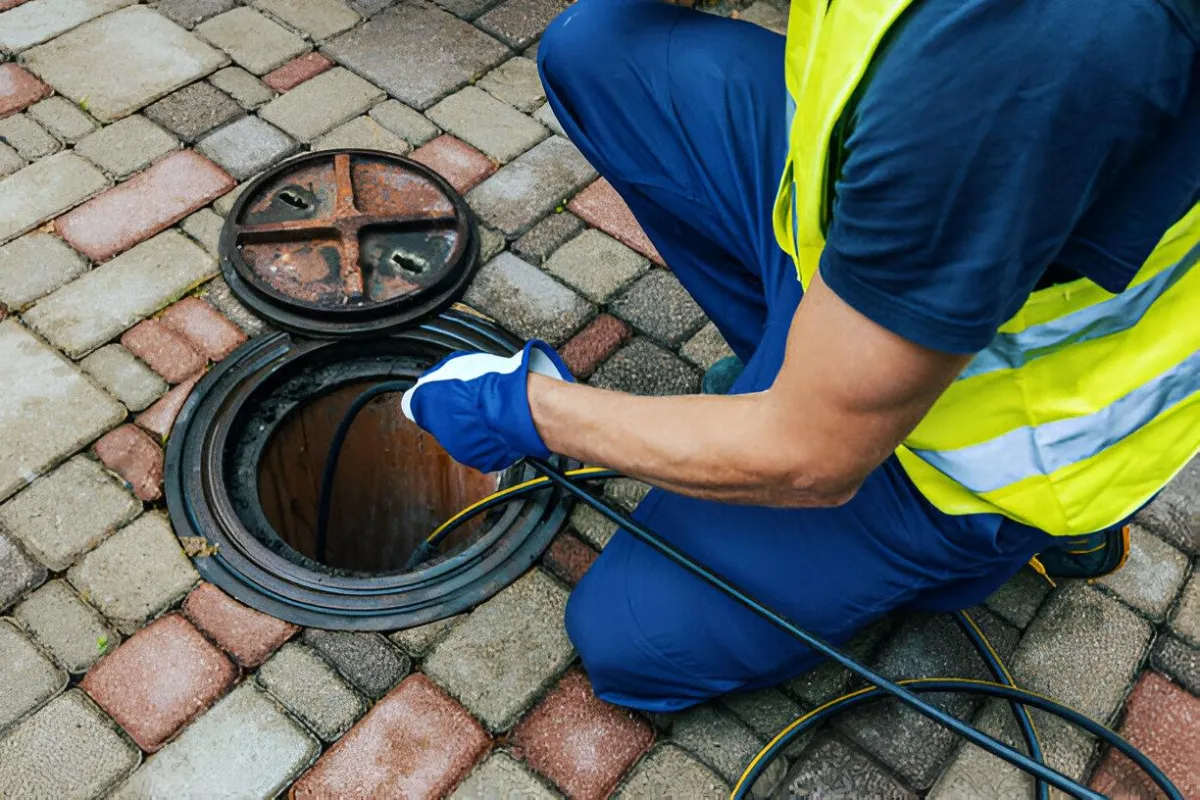
Drain and Sewer Line Plumbers in Bellevue, WA
Clogged drains, broken sewer lines, recurring backups. Not every plumber approaches these the same way, and the difference shows up in whether the problem actually stays fixed.
By Ramin Shahbaziasl, Owner, Eastside Repipe and Plumbing · Last updated September 17, 2025
This guide covers how we diagnose and repair drain and sewer problems, what separates a proper fix from a temporary one, and what to expect from the process.
Why Experience Matters Here
Drain and sewer issues are rarely just a clog. Hair, grease, corroded pipe, root intrusion, a sagging line, a slope problem- all can produce the same symptom of a slow drain. Diagnosing which one you actually have determines whether the fix lasts.
We stay current with the materials and methods that keep changing: PEX and HDPE piping, updated local code, and the diagnostic tools that let us see inside a line rather than guess.
Tools We Use
Hydro jetting. High-pressure water scours the full interior of the pipe, clearing grease, scale, sludge, and root intrusion. It removes buildup rather than just punching through a blockage, which is why it lasts longer than snaking.
One important caveat. Jetting is not appropriate for every pipe. Pressure that scours sound pipe can damage a corroded or brittle one, and older homes often have cast iron or galvanised lines that look fine and are not. That is why camera inspection comes before jetting, every time. If a line will not take it, we use a different method. Our comparison of drain cleaning and hydro jetting covers which suits which situation.
Video inspection. A camera fed through the line shows cracks, root intrusion, misalignment, and blockages directly, so the repair targets what is actually there rather than what we assume is there.

Common Problems
Slow drains. Usually hair and soap scum, kitchen grease, or sediment in older pipe. A temporary fix restores flow without removing the buildup, which is why the same drain slows again within months.
Sewer backups. Root intrusion, a collapsed or sagging section, or heavy rain overwhelming an aging system. We diagnose with a camera before recommending jetting or replacement.
Why DIY fixes often fail. Chemical cleaners and a hardware store snake give temporary relief at best. Chemicals corrode pipe with repeated use and leave residue that is a hazard for whoever works on the line next. A snake clears the immediate blockage without touching the buildup on the pipe wall, so the underlying cause is still there. Our guide to preventing clogged drains covers what actually keeps a line clear.
Our Process
Inspection. Camera, testing, and measurement to find the actual cause rather than guessing
A plan specific to your situation. Hydro jetting, a targeted repair, partial replacement, or a maintenance schedule, depending on what the inspection shows
The work. Executed properly and tested afterward to confirm it holds
Prevention guidance. What to avoid, what to watch for, and how often to have it checked
Root causes matter more than the blockage in front of you. Fixing the symptom without finding the cause is how the same call happens again in six months.
When to Book Professional Cleaning
Slow drains across more than one fixture
Gurgling when you run a different fixture
Foul smells from a drain or in the yard
Recurring blockages in the same line
Backups in multiple fixtures at once, which points at the main line
For most homes, every 18 to 24 months is a reasonable interval, more often with heavy use, mature trees near the sewer run, or an older property. Our guide to sewer line warning signs covers the symptoms worth acting on sooner.

For Property Managers
Multi-unit and commercial properties benefit from the same approach at scale:
Scheduled video inspections rather than reactive calls
A maintenance contract that catches problems before tenants notice
Simple guidance for tenants on what not to put down a drain
This reduces emergency calls and the downtime that comes with them, which matters more when a backup affects several units rather than one.
Keeping Drains Healthy Between Visits
Keep grease out of the sink. Let it solidify and bin it
Fit mesh screens over drains
Schedule professional cleaning every 18 to 24 months
Pay attention to gurgling or slow drainage rather than waiting for a backup
Know where your cleanouts and sewer access points are
Verifying Who You Hire
Washington requires plumbing work to be performed by certified plumbers employed by a licensed contractor. You can check any company's license, bond, and insurance for free through the state Department of Labor and Industries before booking. Drain and sewer work sits under our specialized plumbing services.
Frequently Asked Questions
How often should drains be cleaned?
Every 18 to 24 months for most homes, more often with heavy kitchen use or mature trees near the sewer line.
What are the signs a sewer line needs attention?
Slow drains, gurgling, bad smells, and repeated backups. Multiple fixtures backing up at once usually means the main line rather than a single drain.
Can tree roots be removed from a sewer line?
Yes, hydro jetting clears root intrusion, though it does not repair the crack the roots entered through. A camera inspection afterward shows whether the line needs further work.
Is hydro jetting safe for all pipes?
No. It is safe for sound pipe but can damage corroded or brittle pipe, which is common in older systems. That is why we camera inspect before recommending it rather than assuming it will work.
How do I prevent future drain problems?
Keep grease and large debris out of drains, use strainers, and schedule regular professional cleaning rather than waiting for a blockage.
Do you work with property managers and commercial buildings?
Yes. We offer scheduled inspections and maintenance contracts for multi-unit and commercial properties, which reduce emergency calls and tenant disruption.
Book an Inspection
If a drain has been slow or backing up repeatedly, the useful step is finding out what is actually causing it rather than clearing it again.
Contact us or call 425-331-2011. We will camera the line, show you what is in it, and recommend the approach that suits the pipe you actually have.
We serve Bellevue, Kirkland, Redmond, Bothell, Renton, Issaquah, Sammamish, Seattle, and the wider Eastside service area.
