How to Choose a Water Heater Installer
Most water heater installations look identical from the outside. The unit goes in, hot water comes out, and everything seems fine. The difference between a good install and a poor one usually shows up two to five years later, in a failed unit, a voided warranty, or a problem that surfaces during a home sale.
By Ramin Shahbaziasl, Owner, Eastside Repipe and Plumbing · Last updated September 17, 2025
This guide covers how to tell the difference before you hire, not after.
Start With Licensing
In Washington, plumbing work must be performed by certified plumbers employed by a licensed plumbing contractor. That is not a preference; it is the legal requirement.
Verify it yourself rather than taking anyone's word. The state Department of Labor and Industries lookup is free and takes about a minute. Check that the license is active, that the bond is in place, and that insurance has not lapsed.
Anyone reluctant to give you their license number has answered the question.
Ask Who Pulls the Permit
Water heater replacement generally requires a permit, and gas or electrical work always does.
Ask directly: does the quote include the permit, and who submits it? A contractor who suggests skipping it to save time or money is offering to create a problem you inherit. Unpermitted work commonly surfaces during a home sale, at which point it becomes both an expense and a delay in a transaction you cannot pause.
Ask How They Sized the Unit
This is the question that separates people who measure from people who guess.
A proper answer references your household size, how many fixtures run simultaneously, and your usage pattern. On a tankless unit, it should also account for temperature rise, because incoming groundwater in the Puget Sound region is cold, and a unit rated at a given flow rate in a warmer climate delivers meaningfully less here.
An answer along the lines of "this is what we usually put in a house this size" is not sizing. Undersizing produces cold showers, and oversizing means paying to heat water nobody uses.
Our tankless vs traditional comparison covers how the choice interacts with sizing.

Get the Whole Cost in Writing
A quote should separate:
The unit itself
Labor
Permit fees
Removal and disposal of the old unit
Any gas line, venting, or electrical work required
Drywall or access repair if applicable
The items most often left out are the ones that surface mid-job. Tankless conversions frequently need a larger gas line or new venting. Heat pump units need clearance and a condensate drain. A quote that does not mention these has either checked and ruled them out, or has not checked.
Ask which it is.
Ask About Rebates Before You Buy
If you are a PSE customer, this affects your equipment choice, and it has a deadline attached.
PSE runs rebates on residential water heating, with heat pump water heaters the main category. Two things determine whether you actually receive one:
Eligibility. These rebates apply to existing single-family homes. New construction, multifamily buildings, and commercial accounts fall under separate programs
Who installs it. As of April 2026, PSE requires rebate-eligible heat pump installations to be performed by a PSE Trade Ally or Registered Energy Professional. Booking outside that network disqualifies the rebate entirely
Confirm your contractor's status before signing, not after. Note also that the federal Section 25C tax credit expired at the end of 2025 and does not apply to 2026 installations.
Understand the Two Warranties
There are always two, and they are not the same thing.
The manufacturer warranty covers the unit. It is typically voided by improper installation, which is worth knowing because it means a bad install does not just risk failure; it removes your protection against it.
The workmanship warranty covers the installer's work. Ask what it covers, how long it lasts, and get it in writing. A verbal assurance is not a warranty.
Watch for These Warning Signs
Reluctance to provide a license number
Suggesting the permit is unnecessary
A quote that is notably lower with no explanation of what it excludes
No questions about your household's hot water usage
Pressure to decide immediately
Cash only, or a large deposit up front
No written workmanship warranty
Questions to Ask Before You Sign
What is your L&I contractor license number?
Are you bonded and insured, and can I see the certificate?
Does this quote include the permit, and will you pull it?
What size are you recommending, and how did you arrive at it?
Are you a PSE Trade Ally if I am pursuing a rebate?
What does your workmanship warranty cover and for how long?
Will you haul away the old unit?
How long will the job take, and will I be without hot water overnight?
What Good Installation Actually Involves
So you know what you are paying for:
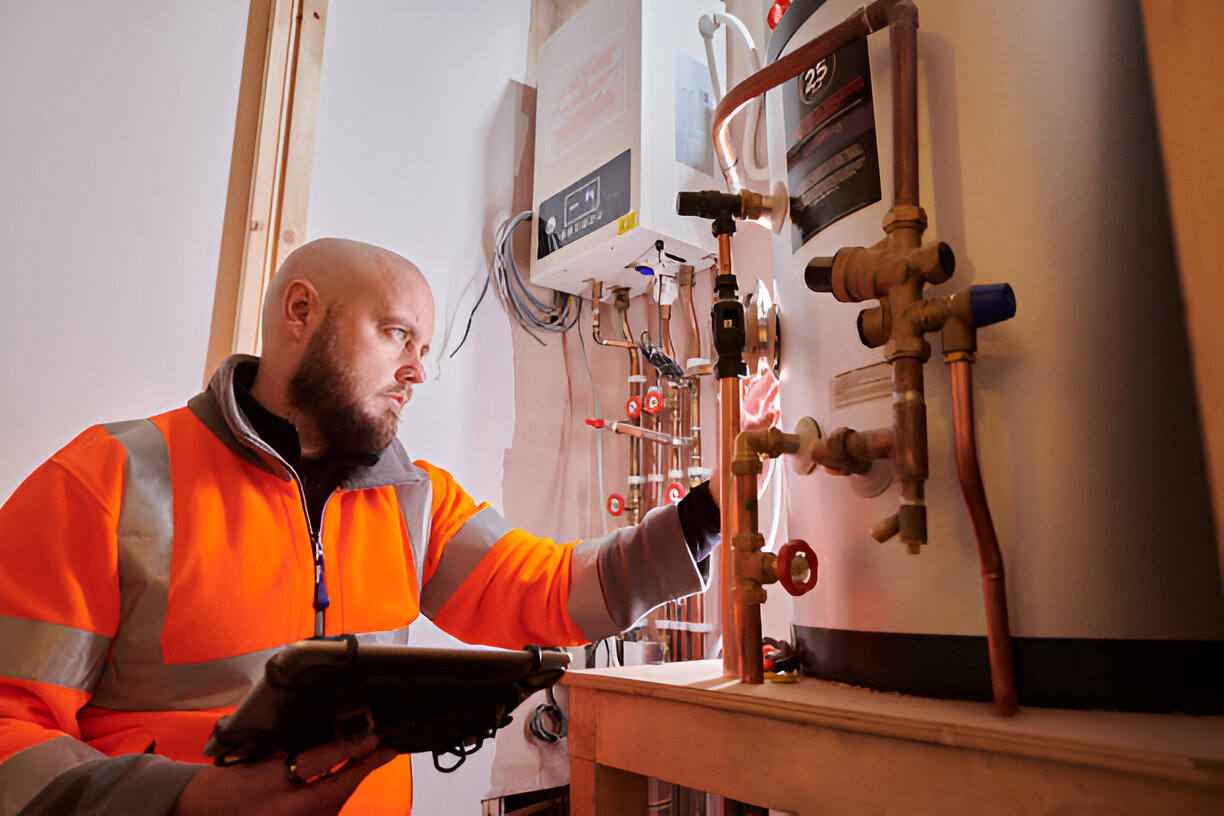
Assessment first. Existing setup, venting, gas and electrical capacity, available space. This is where hidden costs surface, and it should happen before the quote
Correct sizing based on your usage rather than a default
Proper venting on gas units, which is a safety issue as much as a performance one
Tested connections, with the unit run and checked before anyone leaves
Relief valve verified and thermostat set to 120°F, which the Consumer Product Safety Commission recommends to reduce or eliminate most tap water scald injuries
Old unit removed, permit closed, and a walkthrough so you know where the shutoff is and what maintenance the unit needs
If you are still deciding on equipment, the Energy Star product finder lists certified models.
After Installation
The installer's work ends, but the unit's life depends on maintenance:
Flush the tank annually, or descale a tankless unit on the same schedule
Check the anode rod every two to three years on a tank unit
Test the temperature and pressure relief valve yearly
Keep the thermostat at 120°F
Watch the base for early moisture
Skip these, and you will replace the unit years earlier than you should, regardless of how well it was installed. A whole home plumbing inspection covers all of it if you would rather not track it yourself.
Frequently Asked Questions
Do I need a permit to replace a water heater?
In most jurisdictions here, yes, and always for gas or electrical work. A reputable contractor pulls it as part of the job.
Can I install a water heater myself?
Gas units involve gas connections and venting; electric units involve dedicated circuits. Both are permitted work in most cases, both carry real safety risk, and DIY installation typically voids the manufacturer warranty.
How do I check whether a plumber is licensed in Washington?
Use the L&I contractor lookup. It is free, public, and shows license status, bond, and insurance.
Are rebates available for a new water heater?
PSE offers rebates on qualifying residential water heating equipment, mainly heat pump water heaters. Requirements and amounts change, and since April 2026, the installer must be a PSE Trade Ally for heat pump rebates. Check PSE's current program before buying.
How long should installation take?
Two to four hours for a straightforward tank replacement. Longer for tankless conversions, particularly where gas line or venting work is needed.
What size water heater do I need?
It depends on household size, simultaneous fixture use, and usage pattern rather than square footage. On tankless units, local water temperature also affects the answer.
Working With Us
We assess before we quote, size for your household rather than defaulting, pull the permits, and give you the full cost in writing before starting. If a straightforward tank replacement is better value than the upgrade you were considering, we will tell you.
Our license, bond, and insurance status is public and verifiable through L&I, and we would rather you check than take our word for it.
Request a quote or call 425-331-2011. We install and service tank, tankless, and heat pump water heaters across Bellevue, Kirkland, Redmond, Bothell, Seattle, and the wider Eastside service area.
