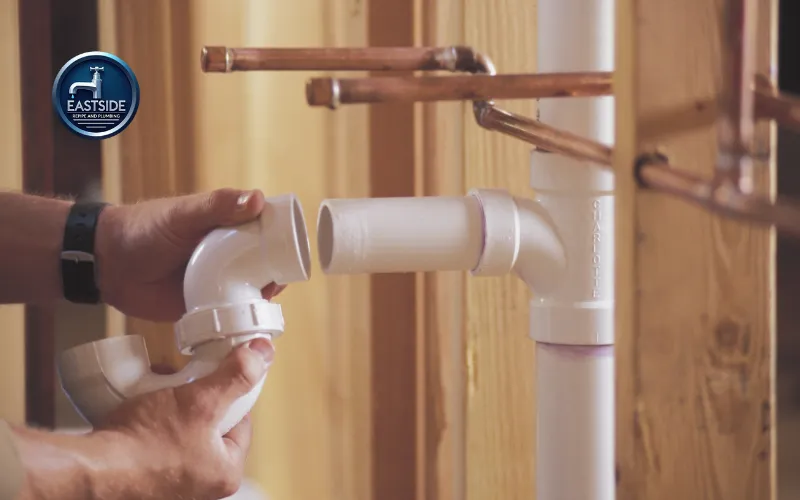
What to Expect When Repiping a House: Step-by-Step Overview
Most people don’t wake up planning to repipe their house. It usually starts small. A pressure drop here. A leak there. Maybe the water looks a little rusty, or you’ve had the same pipe fixed more than once. At first, it feels manageable.
In a lot of older Seattle-area homes, that’s not bad luck—it’s old plumbing reaching the end of the road. Pipes weren’t built to last forever, and once they start failing, repairs turn into a cycle.
That’s when homeowners start looking into plumbing repiping services. Not because they want a big project—but because they want the problems to stop. This guide breaks down what actually happens during a repipe, what you can expect day by day, and why working with a specialist like Eastside Repipe & Plumbing makes the process far less stressful than most people assume.
Key Takeaways
Repiping is planned, controlled, and usually faster than expected
Most homeowners can stay in their homes during the work
Cost depends on access, layout, and materials—not surprises
New pipes make an immediate difference in pressure and reliability
A proper repipe eliminates years of future plumbing headaches
What Are Plumbing Repiping Services?
Plumbing repiping services involve replacing old water supply pipes with new ones throughout the home. Instead of fixing one failing section at a time, repiping addresses the bigger issue—a system that’s simply worn out.
Most homeowners start researching repiping after dealing with recurring leaks, pressure problems, or discolored water. It’s common at that point to search for a repipe near me, hoping to find a local specialist who understands the construction, plumbing codes, and water conditions in the area.
Repiping isn’t a quick patch. It’s a planned upgrade that resets the entire plumbing system, improves reliability, and removes the uncertainty that comes with aging pipes.
Partial vs. Full Repiping
Some homes only need certain sections replaced. Others benefit from a full repipe, especially when pipes are the same age throughout the house. A full repipe removes weak points entirely instead of chasing the next failure.
What Professionals Actually Do
A real repipe isn’t rushed. It includes:
Inspecting the existing system and identifying risks
Planning pipe routes that avoid unnecessary damage
Choosing materials that make sense for the home and water quality
Protecting living spaces during the work
Installing new piping cleanly and efficiently
Testing everything before calling it done
Industry Trends You Should Know About
More homeowners are repiping earlier than they used to. Not because pipes fail overnight—but because water damage, insurance claims, and repeated repairs add up fast.
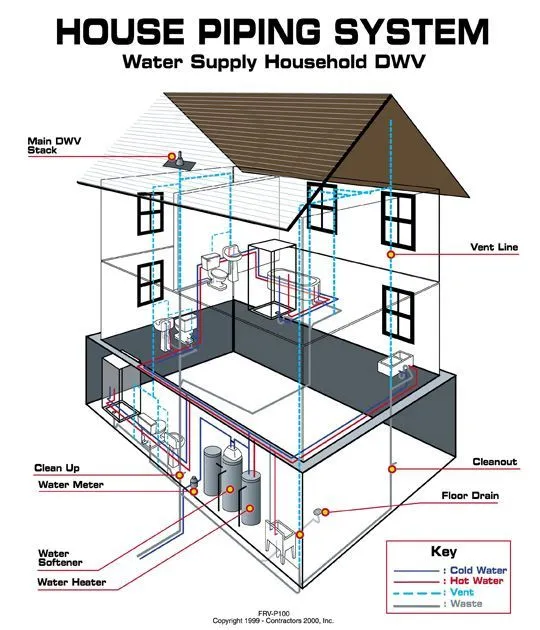
Modern piping materials last longer and perform better than what many older homes were built with. That’s why repiping is now seen less as a last resort and more as a smart, preventative upgrade.
Benefits and Advantages of Repiping a Home
Fewer Emergencies
Planned work replaces late-night plumbing calls.
Better Everyday Use
Pressure improves, fixtures behave properly, and water flow feels consistent again.
Lower Risk
New pipes remove corrosion and weak spots hidden behind walls.
Long-Term Confidence
Modern systems are designed to last for decades.
Easier Ownership
Once repiped, plumbing becomes something you rarely think about.

Why Planning Makes or Breaks the Project
The biggest problems with repiping usually come from poor planning—not the work itself. When routes aren’t thought through, walls get opened unnecessarily and timelines stretch.
Experienced plumbers plan first, cut second. That approach saves time, limits mess, and keeps homeowners comfortable during the process.
Tools, Materials, and Methods That Hold Up Over Time
Professionals use materials like PEX or copper because they’re proven, durable, and reliable. These materials handle pressure changes, resist corrosion, and perform well over time.
Installation matters just as much. Clean connections, proper support, and thorough testing are what separate a lasting repipe from a short-term fix.
Tips to Avoid Costly Mistakes
Skipping a full system inspection
Choosing the cheapest quote without comparing experience
Hiring someone who doesn’t specialize in repipes
Not getting clear documentation or warranties
Treating repiping as a temporary solution
Internal Linking Opportunity
Read also:How to Detect a Hidden Water Leak in Your Home

Frequently Asked Questions
How much does repiping a house cost?
Pricing depends on the home’s size, layout, and materials. Many homeowners search plumbing repipe cost in Seattle WA because local construction affects complexity.
How long does repiping usually take?
Most homes are completed in a few days, though larger homes may take longer.
Can repiping be combined with other plumbing upgrades?
Yes. Combining work often reduces disruption and overall labor.
Do plumbers handle permits and inspections?
Licensed professionals take care of permits, inspections, and code compliance.
Why search for a repipe near me?
Local specialists understand local homes, water conditions, and regulations.
Conclusion
Repiping isn’t about fixing one problem—it’s about ending the cycle. When done properly, it removes uncertainty, protects the home, and makes daily life easier.
Knowing what to expect ahead of time takes much of the stress out of the decision.
How Eastside Repipe & Plumbing Helps You Succeed
Eastside Repipe & Plumbing focuses on thoughtful, well-planned repiping work for Washington homeowners. No rushing. No pressure. Just clear communication and work done right the first time.
If you’re considering plumbing repiping services and want straight answers, call (425) 822-5199 or request a consultation. The goal is simple—plumbing you don’t have to worry about anymore.
