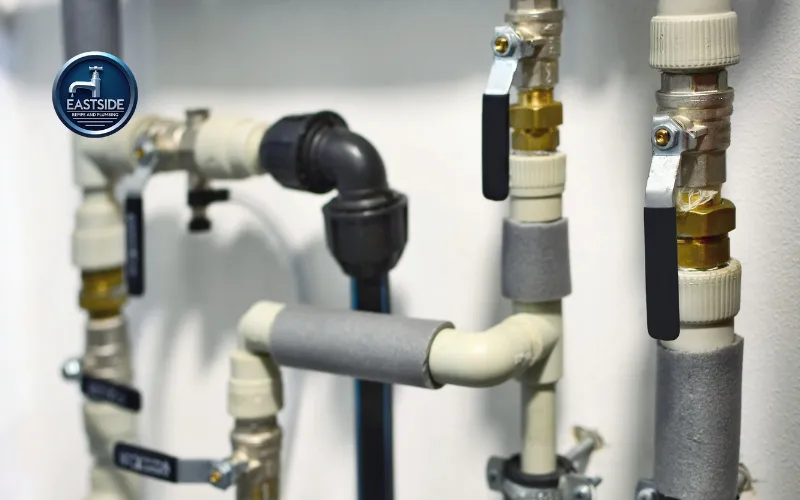
Repiping Specialists: When Your Home Needs Full Pipe Replacement
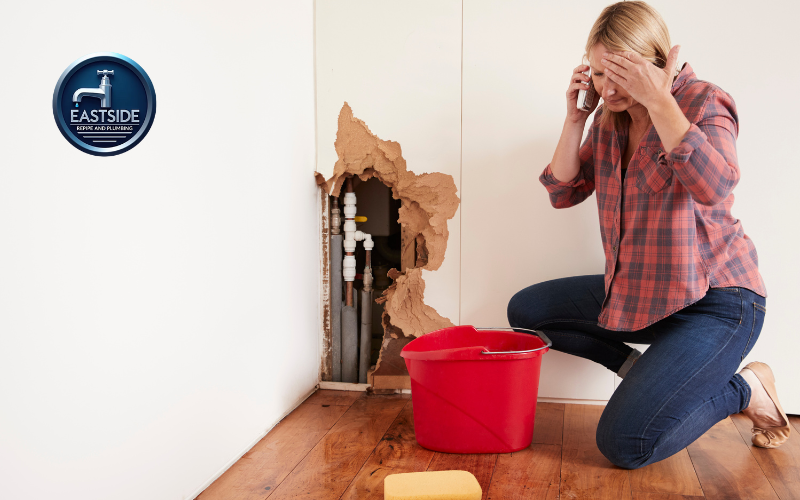
Most plumbing problems don’t start with a disaster. They start small—slightly lower water pressure, a faint metallic taste, or a leak that keeps coming back in different places. Many homeowners assume these are isolated issues. In reality, they’re often early warnings that the plumbing system itself is wearing out.
This matters right now because many homes across Washington were built decades ago, using pipe materials that were never meant to last this long. Waiting too long can turn manageable problems into expensive, disruptive damage.
At Eastside Repipe & Plumbing, homeowners regularly ask the same question: Is another repair enough, or is it time to replace the pipes completely? This guide explains how to recognize that turning point, what full repiping actually involves, and why working with experienced repiping specialists helps homeowners avoid costly surprises.
Key Takeaways
Saves time: Ends the cycle of repeat leaks and constant service calls
Controls costs: One planned solution often costs less than years of patchwork repairs
Improves performance: Brings back steady pressure and cleaner water
Protects long-term value: Reduces the risk of water damage and pipe failure
Professional advantage: Good planning prevents unnecessary disruption
What Are Repiping Services?
Repiping services mean replacing the entire water supply system in a home. Not just the pipe that failed. All of it.
Basic plumbing repairs focus on what’s visible. A cracked pipe. A leaking joint. Full repiping looks deeper—at pipe material, layout, age, and overall performance—to decide whether the system can still be trusted.
Some homes can limp along with spot repairs for a while. Others can’t. This is where experienced repiping specialists make a real difference. They don’t rush to conclusions. They evaluate how water actually moves through the home before recommending anything.
A typical repiping project includes:
Reviewing the layout and identifying problem areas
Choosing PEX, copper, or CPVC based on real conditions, not trends
Handling permits and inspections
Replacing pipes efficiently and cleanly
Testing pressure and flow before calling the job complete
It’s not a quick fix. And it shouldn’t be treated like one.
Industry Trends You Should Know About
Across Washington, more homeowners are choosing full repiping earlier than they used to. Not because they want a big project, but because they’ve seen what happens when aging pipes fail without warning.
Rising repair costs and concerns about water quality are pushing that shift. So is experience. People talk. And once homeowners deal with the third or fourth leak, patience runs out.

Another noticeable change is who homeowners are hiring. Instead of general repair companies, many are looking for dedicated repipe experts—teams that do this work every day and know what to expect. Clear answers matter. Longevity matters. Nobody wants to do this twice.
Benefits and Advantages of Full Repiping
Fewer Interruptions
Instead of dealing with plumbing issues every few months, repiping addresses the root problem in one coordinated project.
Better Water Performance
New pipes restore consistent pressure, stable temperatures, and cleaner water throughout the home.
Fewer Future Repairs
Old pipes don’t improve with age. Replacing them removes weak points that cause leaks and corrosion.
Longer System Lifespan
Modern materials are built to last decades, not just a handful of years.
Clearer Communication
One team manages the process from planning to inspection. No confusion. No finger-pointing.
Why Planning and Strategy Matter First
Rushing into repiping without a clear plan is how projects get messy.
Older homes often have pipes tucked into tight framing, ceilings, or slab foundations. Without proper planning, walls get opened unnecessarily and timelines stretch longer than expected.
A thoughtful approach considers how the house is built and how water is used day to day. That’s how disruption stays minimal. And why experience matters more than speed.
Tools, Materials, or Methods That Work in Real Life
There’s no single “best” pipe for every home. Anyone who says otherwise is oversimplifying it.
PEX is popular for flexibility and freeze resistance. Copper is known for durability. CPVC works well in certain layouts. The right choice depends on the home, not shortcuts.
Professionals rely on pressure testing, leak detection, and high-quality fittings to make sure the system holds up long after installation. Those small details? They matter more than most people realize.
Tips to Avoid Costly Mistakes
Ignoring early warning signs
Choosing the lowest price without understanding the full scope
Skipping permits or inspections
Hiring providers without real repiping experience
Treating long-term problems like short-term fixes
Read also: What to Expect When Repiping a House: Step-by-Step Overview

Frequently Asked Questions
How much does full repiping cost?
Costs vary based on home size, materials, and access, and are determined after a full evaluation.How long does repiping usually take?
Most projects are completed within a few days, depending on complexity.Should repiping be combined with other plumbing upgrades?
Often yes. It can reduce labor time and overall disruption.Do professionals handle permits and inspections?
Yes. Licensed providers manage all required approvals.Why choose repipe specialists near me?
Local specialists understand regional codes, water conditions, and construction styles.
Conclusion
Repipe specialist near me isn’t about overreacting to one leak. It’s about timing. When problems keep coming back and repairs stop holding, replacing the system becomes the safer option. Done properly, repiping restores confidence in your plumbing and removes the constant worry of what might fail next.
That peace of mind is worth a lot.
How Eastside Repipe & Plumbing Helps You Succeed
Eastside Repipe & Plumbing focuses specifically on residential repiping. No shortcuts. No pressure. Just honest evaluations and long-term solutions homeowners can trust.
If plumbing issues keep resurfacing, or you just want clear answers, call (425) 584-6235 or request a consultation through the website. Sometimes knowing where you stand is the biggest fix of all.
