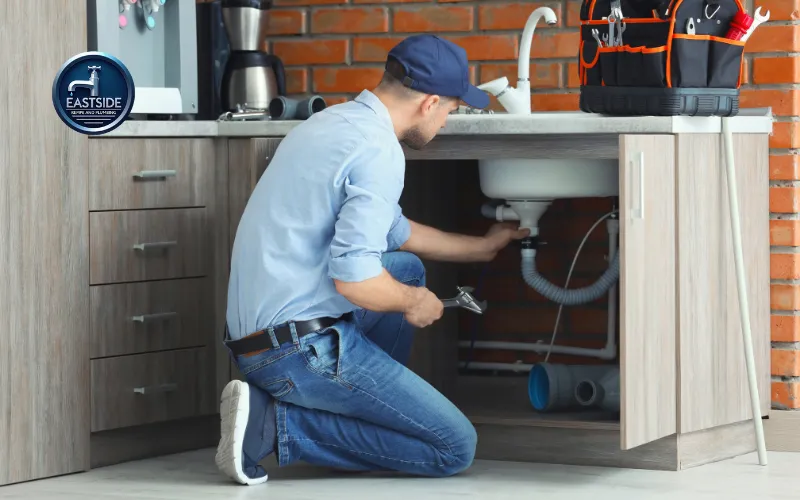
Nearby Repipe Specialists You Can Count On in Bellevue
By Ramin Shahbaziasl, Owner, Eastside Repipe and Plumbing · Last updated October 25, 2025
Old pipes don't just leak. They creak, clog, and eventually stop working the way they should. Low water pressure, rusty water, strange sounds behind the wall- all of it usually means the same thing: it's time to repipe.
Not every plumber does this well. Repiping rewards experience in a way routine repairs don't, which is why we specialize in it rather than treating it as one service among many.
What Repiping Actually Involves
Repiping means replacing the water supply lines throughout your home, not patching individual leaks as they appear. Old, corroded pipes restrict flow and leak in ways that often go unnoticed until a ceiling sags or a wall bubbles from trapped moisture.
It's not only about replacing old pipe. It's about restoring clean water, consistent pressure, and the peace of mind that comes with not waking up to a burst pipe in the middle of winter.
Common Signs You Might Need Repiping
Rust-colored or murky water
Leaks that keep recurring even after repairs
Low water pressure
Noisy pipes or water hammering
Mould or damp smells near walls
Ignoring these signs for too long tends to double the eventual cost, since each individual repair is money spent on a system that's still failing overall.

Why Local Experience Matters
Bellevue homes vary considerably in what's running through their walls: older copper systems in some neighborhoods, newer PEX in others, and soil conditions and water hardness that affect pipe performance differently depending on where you are. A plumber who works in the area regularly understands those differences and the local codes that apply to them, rather than treating every job the same way.
Communication matters just as much. You shouldn't have to wait days for a reply or wonder whether someone will show up when they said they would. We explain every step before cutting into a wall, not after.
Choosing a Material: PEX, Copper, or CPVC
PEX. The modern standard for residential repiping. Flexible, affordable, resistant to corrosion, and well suited to tight spaces. Works well across Bellevue's varied conditions.
Copper. Durable and long proven, with a higher cost. Slightly acidic water can cause corrosion over time, so it's worth checking your water chemistry before choosing it. Still a strong option for higher-end homes or historical restorations.
CPVC. The most affordable option. Handles hot water well and resists corrosion, though it's less flexible than PEX and can crack if installed incorrectly. Worth considering with proper guidance rather than as a default choice.
Our comparison of PEX and copper covers the full tradeoff.
How the Process Works
Inspection and quote. We check pipe condition, water pressure, and existing leaks, then provide a full written report and quote before anything starts.
Material selection. We walk through whether PEX, copper, or CPVC fits your home and budget, in plain terms rather than jargon.
Installation. Old lines are replaced section by section to minimize disruption while the work is underway.
Testing and cleanup. The new system is pressure tested for leaks, drywall is patched, and the site is cleaned before we consider the job finished.
What It Costs in Bellevue
A full repipe typically runs $4,000 to $15,000, depending on home size, pipe material, access points, and the number of bathrooms and fixtures involved.
That's a real investment, and it's worth weighing against the alternative: a burst pipe can cost thousands in emergency repairs and property damage, often more than a properly done repipe would have cost in the first place. We offer phased work where that helps fit the budget better. Our plumber cost guide covers typical local rates in more detail.
DIY or Professional
Repiping involves cutting through walls, rerouting supply lines, and managing pressure changes across the system. A mistake here can flood a home rather than just leave a drip.
A professional repipe specialist brings more than tools. They bring knowledge of where hidden pipes run, which materials suit your specific system, and how to stay compliant with local plumbing codes. You're paying for that judgment as much as the labour itself.
Long-Term Benefits
Done properly, a repipe improves:
Water quality, with fewer contaminants from corroding old pipe
Pressure and flow throughout the house
Long-term maintenance costs, since new pipe fails far less often than old
Resale value, since updated plumbing is a genuine selling point
Planning tends to cost less than waiting for visible damage to force the decision.

Choosing the Right Specialist
Check reviews and credentials. Consistent mentions of good communication, punctuality, and cleanup are a strong signal. Verify any Washington contractor's license, bond, and insurance for free through the state Department of Labor and Industries rather than relying on reviews alone.
Ask about warranties. A confident company stands behind both materials and workmanship, and will say so before you sign anything.
Compare quotes on scope, not just price. The cheapest bid is rarely the best one. The difference between a rushed job and a properly done one is years of trouble-free plumbing.
Preventing Future Problems
After a repipe, a few habits keep the system running well:
Schedule annual plumbing inspections
Watch for pressure fluctuations
Drain the water heater twice a year
Use a softener if your water is hard
Avoid harsh chemical drain cleaners, which corrode pipe over repeated use
Frequently Asked Questions
How long does a repiping project usually take?
Most full-home repipes take two to five days, depending on size and how accessible the plumbing is.
Can I stay home during the work?
Yes. We typically keep at least one bathroom functional throughout the process.
What's the best pipe material for a Bellevue home?
PEX is often the best fit given local conditions, thanks to its flexibility and affordability, though copper and CPVC both suit specific situations.
Will repiping increase my home's value?
Generally, yes. Updated plumbing is attractive to buyers and reduces the risk of future repair costs, though the exact return depends on the market.
How do I know if I need a full repipe or just a repair?
Recurring leaks, low water pressure, or rusty water are the main signals that the system as a whole needs attention rather than one section.
Get an Inspection
Whether you need a full repipe or just want a second opinion on a persistent problem, the sooner it's looked at, the more options you have.
Contact us or call 425-331-2011 for a free inspection. We serve Bellevue, Kirkland, Redmond, Bothell, Renton, Issaquah, Sammamish, Seattle, and the wider Eastside service area.
