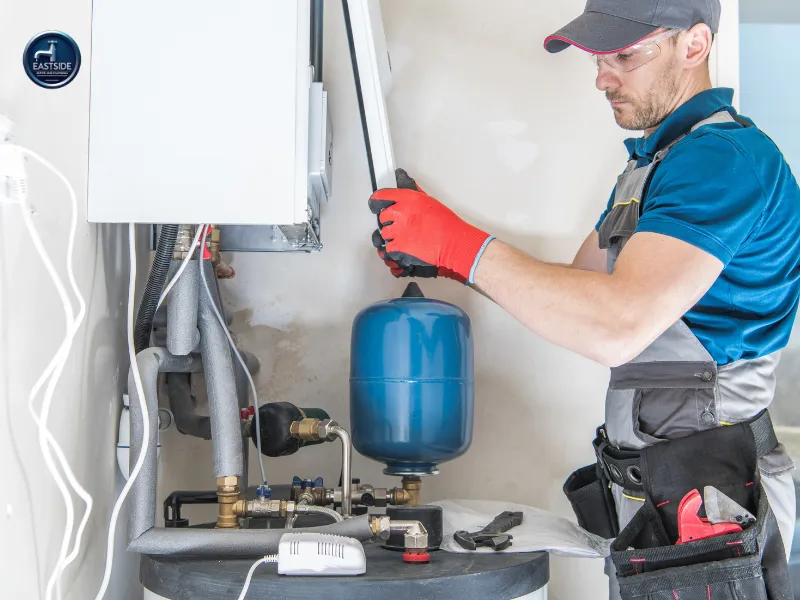
Gas Piping Installation and Safety: What Every Homeowner Should Know
Gas piping installation is the process of safely connecting your home to a gas supply system so appliances like stoves, water heaters, and furnaces can operate properly. It involves planning pipe routes, selecting the right materials, ensuring proper pressure levels, and following strict safety codes. It’s not just a basic setup, it's a system that needs to be precise and reliable.
Most homeowners don’t think about gas lines until something changes. Maybe you’re adding a new appliance. Maybe you’re remodeling. Or maybe there’s an issue that needs fixing. That’s when questions start coming up cost, safety, permits, who to hire. And honestly, it can feel a bit overwhelming.
Key Takeaways
Gas piping installation must follow strict safety and code standards
Hiring professionals reduces risks and long-term costs
Costs vary based on layout, materials, and location
Regular inspections help prevent leaks and hazards
Understanding Gas Piping Installation: What It Really Involves
Gas piping installation isn’t just about connecting a pipe and calling it a day. There’s planning. Pressure testing. Permits. A lot going on behind the scenes.
At its core, gas piping is the system that delivers natural gas or propane safely from the source to your appliances. Sounds simple, right? It’s not always.
Types of Gas Piping Materials
Different homes use different materials. Each has its pros and cons:
Black iron pipes: Durable and common, but harder to install
CSST (Corrugated Stainless Steel Tubing): Flexible, faster to install
Copper (in some areas): Corrosion-resistant, but not always allowed
The choice depends on your home setup, local codes, and budget.
Tip:
CSST is popular for modern homes because it reduces labor time. Less cutting. Less fitting. But it still needs proper grounding to avoid safety issues.
Permits and Code Compliance
This part? Non-negotiable.
Every gas piping installation must meet local building codes. That means:
Proper pipe sizing
Correct pressure levels
Leak testing before use
Skipping permits might save money upfront… but it can cost thousands later. Not worth it.
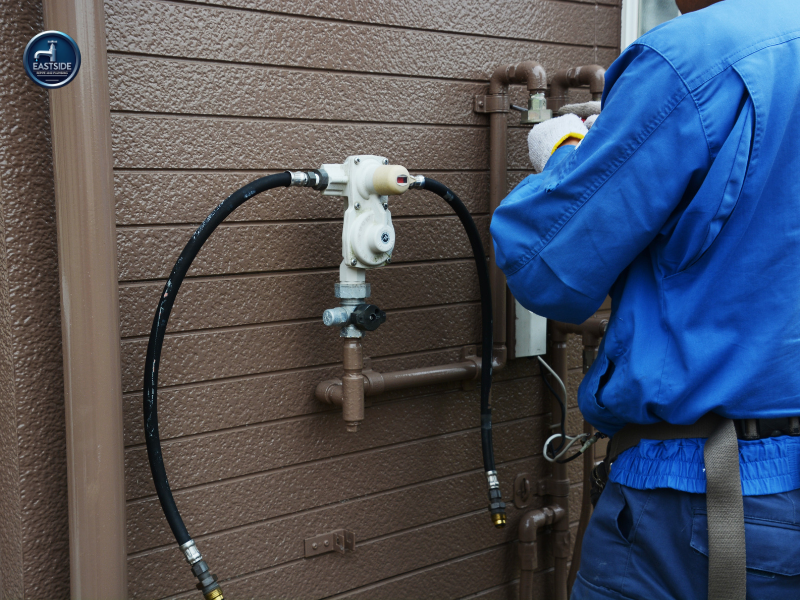
Gas Piping Safety: What Homeowners Should Never Ignore
Let’s be honest. Gas isn’t something you want to mess around with.
Safety isn’t just about installation it’s about ongoing awareness. Many homeowners assume once it’s installed, they’re done. Not exactly.
Signs of a Gas Leak
You should always watch for:
Rotten egg smell (added odorant)
Hissing sounds near pipes
Dead plants near gas lines
Higher gas bills for no reason
If you notice any of these, leave immediately and call professionals. Don’t try to fix it yourself.
Quick Action Tip:
Turn off gas supply (if safe)
Avoid switches or flames
Call emergency services or a licensed plumber
Why Professional Installation Matters
DIY might work for painting walls. Not for gas lines.
Professional plumbers:
Perform pressure testing
Ensure proper fittings
Follow safety regulations
Provide warranties
This is where residential gas piping services come in. They don’t just install they protect your home long-term.
Gas Line Installation Cost in Shoreline WA: What to Expect
Let’s talk numbers. Because that’s what most homeowners really want to know.
The gas line installation cost in Shoreline WA varies depending on several factors. No fixed price. But we can break it down.
Typical Cost Factors
Length of piping: Longer runs = higher cost
Material used: CSST vs iron pipes
Labor complexity: Walls, crawl spaces, or outdoor routing
Permits and inspections
On average, homeowners might pay:
$500 to $2,000+ for simple installations
$2,000 to $5,000+ for complex or large projects
Not cheap. But also not something to cut corners on.
How to Save Without Compromising Safety
You can manage costs. Just be smart about it.
Plan installations during renovations
Bundle multiple gas appliance connections
Get multiple quotes (but don’t chase the cheapest)
Reality Check:
Cheap work often leads to expensive repairs later. Happens all the time.
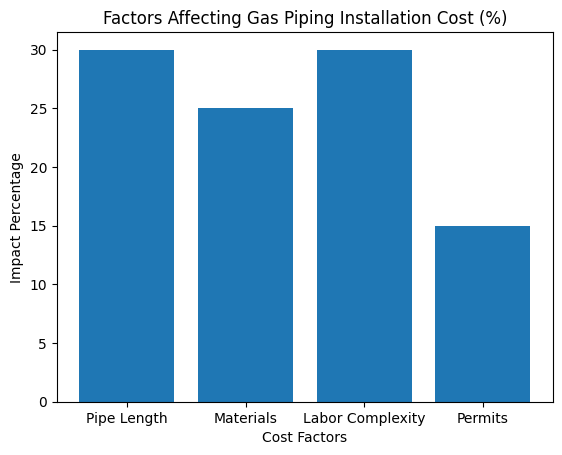
Gas piping installation costs aren’t fixed they depend on several factors. Pipe length and labor complexity usually have the biggest impact, while materials and permits also add to the total. Understanding this breakdown helps homeowners budget more accurately and avoid unexpected expenses.
Pipe Length (30%) → longer runs = higher cost
Labor Complexity (30%) → tight spaces, walls, difficulty
Materials (25%) → CSST vs iron pipes
Permits (15%) → often overlooked but necessary
Note: This cost breakdown is based on typical industry estimates and may vary depending on project size, materials, and local labor rates.
Choosing the Right Residential Gas Piping Services
Not all plumbers are equal. Some specialize. Some don’t.
When looking for residential gas piping services, here’s what actually matters:
What to Look For
Licensed and insured professionals
Experience with gas systems (not just general plumbing)
Knowledge of local codes
Transparent pricing
Questions to Ask Before Hiring
Don’t be shy. Ask:
Have you handled similar projects before?
Will permits be included?
Do you provide warranties?
What safety checks are done after installation?
Pro Tip:
If a contractor avoids clear answers, that’s your answer.
Maintenance and Long-Term Safety Tips
Installation is just step one. Maintenance keeps things safe.
Gas systems don’t need constant attention but they do need occasional checks.
Simple Maintenance Tips
Schedule annual inspections
Check connections for wear or corrosion
Replace old or outdated piping
Keep appliances serviced
When to Upgrade Your Gas Piping
Sometimes repairs aren’t enough.
You may need upgrades if:
Your home is older
You’re adding new appliances
Pipes show corrosion or leaks
Upgrading improves both safety and efficiency. Worth considering.
Read also: How to Prevent Clogged Drains: A Complete Homeowner’s Guide
FAQs
1. What is gas piping installation?
Gas piping installation is the process of setting up pipes that safely deliver natural gas or propane to appliances in your home.
2. How much does gas line installation cost in Shoreline WA?
Costs typically range from $500 to $5,000+ depending on complexity, materials, and labor requirements.
3. Is gas piping installation safe for homeowners to DIY?
No. Gas work requires licensed professionals to ensure safety, proper pressure testing, and code compliance.
4. How often should gas lines be inspected?
At least once a year, or immediately if you suspect a leak or notice unusual signs.
5. What are residential gas piping services?
These are professional services that handle installation, repair, and maintenance of gas lines in residential homes.
Conclusion
Gas piping installation isn’t something you want to overlook or rush. It’s a critical part of your home’s infrastructure. Done right, it keeps everything running smoothly. Done wrong it creates serious risks.
From understanding materials and costs to knowing when to call professionals, being informed makes all the difference. Especially when dealing with something as sensitive as gas systems.
If you’re in Shoreline, WA or nearby areas, working with experienced professionals ensures your system is safe, efficient, and built to last.
Get Expert Gas Piping Installation Today
Need help with your gas line? Don’t guess. Don’t risk it.
Contact Eastside Repipe and Plumbing today or call us at (425) 331-2011 for free estimate, reliable, code-compliant gas piping installation. We’ll walk you through the process, give honest pricing, and make sure everything is done right the first time.
