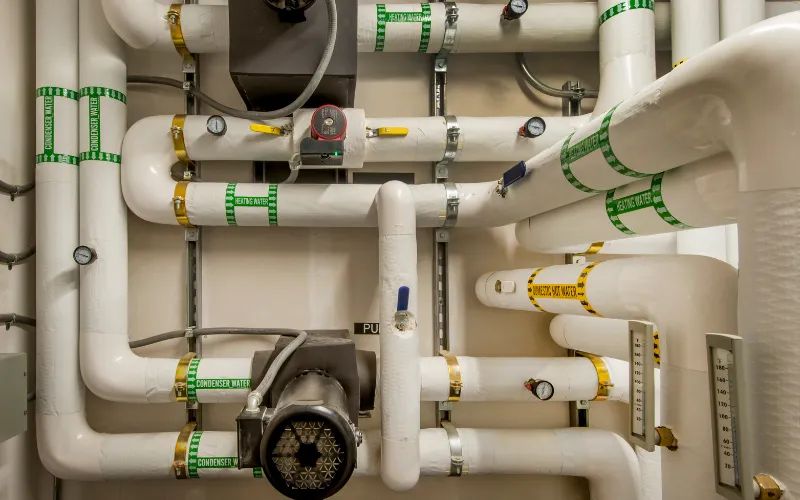
Commercial Plumbing in Bellevue, WA
When a restaurant's kitchen drain backs up or an office loses hot water on a Monday morning, the problem is rarely the plumbing itself. It is the hours the business is not operating.
Commercial plumbing is a different discipline from residential work: larger systems, stricter code requirements, and a cost of failure measured in downtime rather than inconvenience. This guide covers what that difference actually means, what to check before hiring, and how commercial work is typically structured.
By Ramin Shahbaziasl, Owner, Eastside Repipe and Plumbing · Last updated October 07, 2025
How Commercial Differs From Residential
Scale and demand. Commercial systems run continuously and serve far more fixtures. Pipe sizing, water pressure across multiple floors, and drainage capacity are engineered rather than assumed.
Code requirements. Commercial buildings carry obligations residential properties do not: grease interceptors in food service, backflow prevention with annual testing, and accessibility requirements on fixtures. Inspection is more frequent and more consequential.
Downtime is the real cost. A residential leak is inconvenient. A commercial leak closes a dining room, empties an office floor, or triggers a health department visit. Response time matters more than hourly rate.
Access is constrained. Work often has to happen outside business hours, around tenants, or in occupied space. That affects scheduling and cost.
Documentation matters. Permits, inspection sign-off, and testing records follow the building. Unpermitted work surfaces during a sale or a lease negotiation.
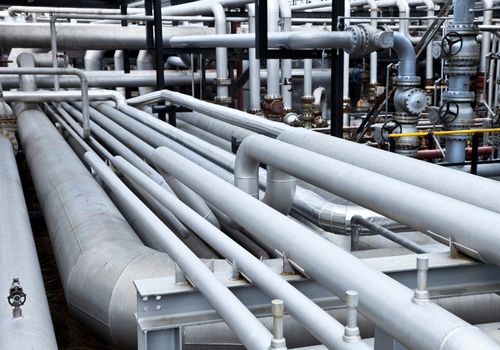
What Commercial Plumbing Covers
Installation and tenant improvements. New restrooms, commercial kitchens, break rooms, and fixture relocations during a fit-out. Working from drawings and coordinating with other trades on a build schedule.
Repiping. When galvanized or aging copper supply lines start failing across a building, spot repairs stop being economical. Commercial repiping replaces the system, usually phased to keep the building operating.
Drain and sewer work. Hydro jetting, camera inspection, and line repair. Grease-heavy kitchen lines need a different maintenance rhythm from office drains. Our guides to sewer line warning signs and waste line replacement cover the diagnostics.
Water heating. Commercial water heaters and boilers, sized for demand and scheduled for replacement before they fail rather than after.
Backflow prevention. Most commercial properties in Washington require backflow assemblies with annual testing by a certified tester. Missing a test is a compliance problem, not just a maintenance one, and it is one of the clearest reasons to have a standing relationship rather than calling around when something breaks.
Emergency response. 24/7 service for burst lines, backups, and failures that stop operations.
Common Problems in Commercial Buildings
Grease and kitchen drain blockages. The most frequent call in food service. Interceptors need servicing on a schedule, and lines need jetting rather than snaking.
Corrosion in older buildings. Bellevue and the wider Eastside have plenty of commercial stock old enough for original supply lines to be at the end of life. Symptoms appear as pressure loss and discolored water before they appear as leaks.
Pressure imbalance across floors. Fixtures on upper floors underperform while lower floors are over-pressured, stressing fittings.
Sewer backups. The one that closes a business. Root intrusion, sags, and grease accumulation all build slowly and fail suddenly.
Water heater and boiler failure. Almost always preceded by months of symptoms.
Legacy unpermitted work. Previous cheap fixes that surface during inspection or a building sale.
What to Check Before Hiring
Licence, bond, and insurance. Washington requires plumbing work to be performed by certified plumbers employed by a licensed contractor. Verify it yourself for free through the state Department of Labor and Industries rather than taking it on trust. Check that coverage limits suit your property.
Relevant experience. Restaurant kitchens, multi-tenant office, and retail all present different problems. Ask what they have worked on that resembles your building.
Emergency availability, with specifics. "24/7" is easy to say. Ask about realistic response windows and whether you get a dispatcher or a technician.
Written, itemised pricing. Labour, materials, permits, and after-hours rates separated. Ask how change orders are handled.
Permit handling. Confirm they pull permits as part of the work.
Maintenance agreements. Scheduled inspection, jetting, and backflow testing under an agreement is cheaper and less disruptive than reactive calls.
References. For commercial work, these are worth actually calling.
What Drives the Cost
Commercial quotes vary too widely for published figures to help. What moves them:
Scope and system complexity, including how many floors and fixtures are involved
Access and scheduling. After-hours and weekend work to avoid disrupting operations costs more in labour and less in lost revenue
Occupancy. Working around tenants is slower than working in space
Permits and inspection
Materials, particularly on repiping
Phasing. Large jobs staged to keep the building running cost more in mobilization and less in downtime
The useful comparison is not the lowest bid. It is total cost including the hours your business is not operating, which is why the cheapest quote is frequently the most expensive outcome.

Preventive Maintenance Is the Actual Saving
Reactive plumbing is expensive because it happens at the worst possible time, at emergency rates, with the business closed.
A maintenance agreement typically covers:
Scheduled drain and grease line jetting
Annual backflow testing and certification
Water heater and boiler service
Camera inspection of main lines on a set interval
Fixture and valve checks
Documented records for compliance
For food service in particular, the grease line schedule is the difference between a planned two-hour visit and a closed kitchen on a Saturday night.
Frequently Asked Questions
What is the difference between commercial and residential plumbing?
Scale, code requirements, and consequence. Commercial systems serve more fixtures under heavier continuous demand, carry obligations like backflow testing and grease interception, and fail in ways that stop a business operating.
Do you work outside business hours?
Yes. Most commercial work is scheduled around operations, and for many properties that means evenings or weekends. It costs more in labour and usually far less in lost trade.
How often should commercial drains be maintained?
Food service kitchen lines need jetting on a frequent schedule, often quarterly. General office drains can go considerably longer. Main line camera inspection every one to two years is reasonable for most buildings.
What is backflow testing and do I need it?
Backflow assemblies prevent contaminated water from entering the potable supply. Most commercial properties in Washington are required to have them tested annually by a certified tester, with results filed. It is a compliance obligation rather than optional maintenance.
Can repiping be done without closing the building?
Usually, yes. Commercial repiping is normally phased by floor or zone with temporary provisions, so the building keeps operating. It takes longer that way, and it is almost always the right trade.
Do you handle industrial facilities?
Our work covers commercial buildings: offices, retail, restaurants, and multi-tenant properties. Heavy industrial process piping is a separate specialisation, and we will tell you if a project falls outside what we do rather than take it on.
Talk to Us About Your Property
Whether you are planning a tenant improvement, dealing with a recurring drain problem, or looking at a building whose original piping is at the end of its life, the starting point is someone looking at the actual system.
Contact our team or call 425-331-2011. We will assess the building, tell you what needs doing now versus what can be scheduled, and quote in writing, including permits.
We serve commercial properties across Bellevue, Kirkland, Redmond, Bothell, Renton, Issaquah, Sammamish, Seattle, and the wider service area
