How to Handle a Plumbing Emergency Before the Plumber Arrives
When a plumbing emergency hits, the first five minutes matter more than anything else. Knowing the right plumbing emergency tips before disaster strikes can stop a manageable repair from turning into a $10,000 water damage claim. Shut off the water, assess the situation, protect your home, and get a licensed plumber on the way. That's the short version.
At Eastside Repipe and Plumbing, we've handled hundreds of emergency calls across Washington state. We've seen what happens when homeowners handle those first few minutes well, and we've seen the aftermath when they don't. This guide walks you through exactly what to do, what not to do, and what to expect when you call for help.
Key Takeaways
Shut off the water first. Every second it runs, the damage gets worse.
Know where your shut-off valves are before an emergency happens.
Different emergencies need different responses. Burst pipes and sewage backups are not handled the same way.
DIY fixes like chemical drain cleaners often make things worse.
Emergency plumber response time in Washington is typically 30 to 90 minutes.
Step 1: Stop the Water First
This is the most important of all plumbing emergency tips. Nothing else matters until the water is off.
Water moves fast. It soaks through drywall, warps floors, seeps into wall cavities, and creates the conditions for mold growth within 24 to 48 hours. According to theFederal Emergency Management Agency, water damage is one of the most common and costly types of home damage in the United States. Every second you spend figuring out what to do instead of shutting off the water, the damage bill is climbing.
Find Your Main Shut-Off Valve
Every home has a main shut-off valve that cuts the water supply to the entire house. In Washington homes, it's usually near the water meter, in the crawl space, or along an exterior wall in the garage. Turn it clockwise until it stops. That's it.
If you don't know where yours is, go find it right now. Seriously. It takes two minutes when you're calm and feels impossible when there's water pouring through your ceiling.
Individual Fixture Valves
For smaller problems like a leaking toilet or a dripping supply line under the sink, you don't need to shut off the whole house. Every toilet, sink, and appliance has its own shut-off valve right behind or beneath it. Turn it clockwise to isolate the problem without cutting water to the rest of your home.
Step 2: Know What You're Dealing With
Once the water is off, take a breath and figure out what actually happened. Not every plumbing emergency works the same way.
Burst Pipe
A burst pipe means a section has failed and needs to be replaced, not patched. Use towels and buckets to collect standing water and move anything valuable out of the area. Take photos before you clean anything up. You'll need them for your insurance claim.
Overflowing Toilet
Remove the tank lid and push the rubber flapper down to stop water from refilling the bowl. Then use the individual shut-off valve behind the toilet. Do not flush again to try to clear it. That almost always makes it worse.
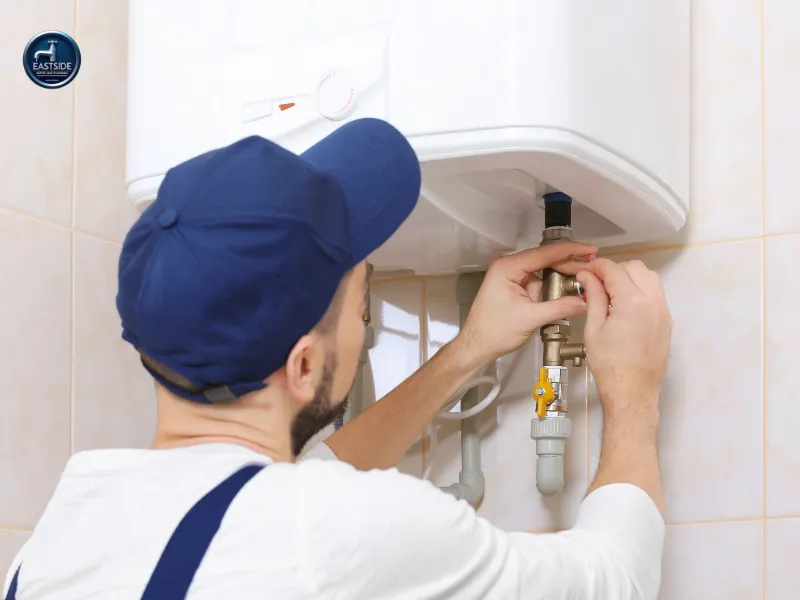
Water Heater Leak
Shut off the cold water supply line at the top of the unit and turn the thermostat to the off or pilot setting. If the leak is significant or you smell gas, leave the house and contact your gas provider before calling a plumber. TheWashington State Utilities and Transportation Commission has safety guidance for Washington residents on gas-related emergencies.
Sewage Backup
Do not use any drains or flush any toilets. A sewage backup usually means a main line blockage or a failed sewer pipe, and every gallon you push down makes it worse. Keep people and pets away from the area and call for emergency service immediately.
What NOT to Do During a Plumbing Emergency
This is the section most guides skip, but honestly it's just as important as knowing the right steps.
Do not use chemical drain cleaners. They generate heat, can soften PVC pipes, and make a severe clog worse.
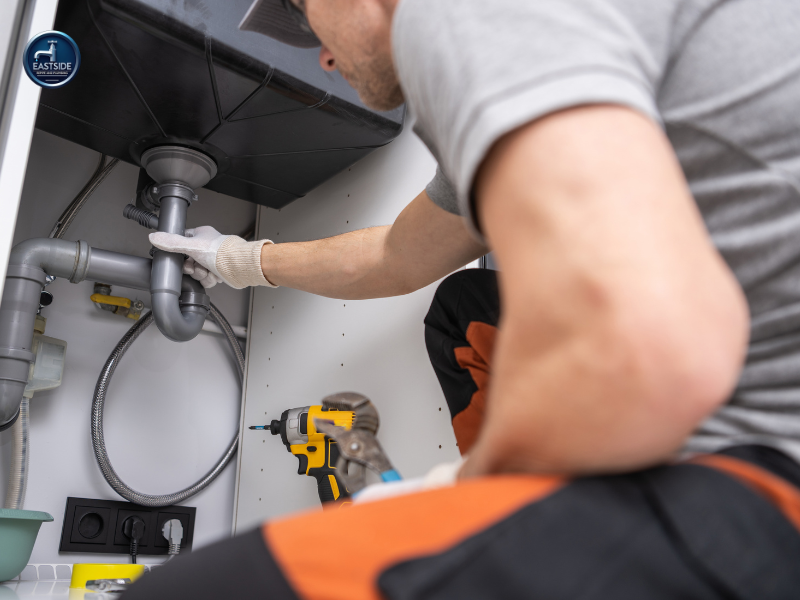
Do not overtighten pipe connections. Tightening a loose joint too hard can crack the fitting or strip the threads, turning a small leak into a broken connection. Hand-tight plus a quarter turn is usually enough.
Do not run electrical appliances near standing water. In the chaos of an emergency, this gets forgotten. If water has reached areas near outlets or your electrical panel, do not touch anything electrical until the area is dry and safe.
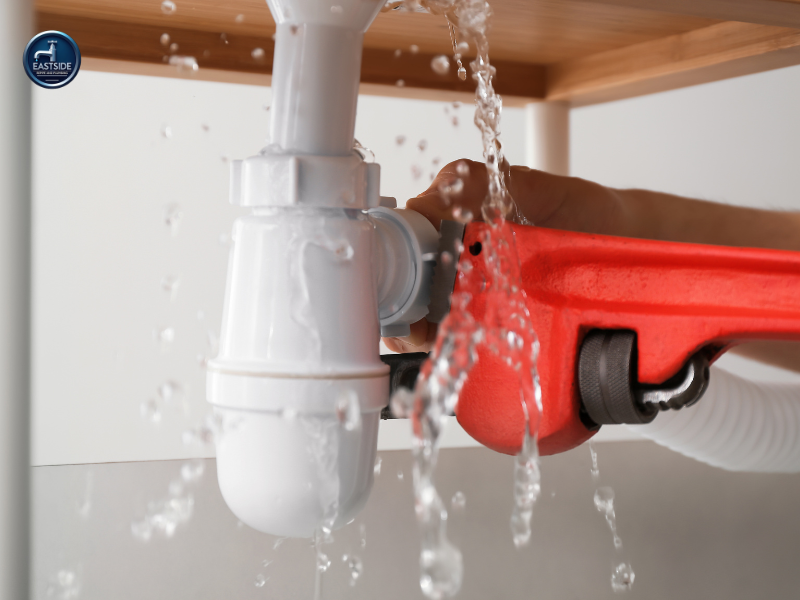
Do not ignore small leaks. A slow drip means the pipe is already compromised. Pressure fluctuations during normal use can push a partial failure into a full one fast. Shut off the water to that section and leave it off until a plumber looks at it.
Minimizing Damage While You Wait
Understanding what to do during a plumbing emergency in the window before the plumber arrives can save you thousands in repair costs.
Start by mopping up standing water with towels or a wet/dry vacuum. The faster water is off hard surfaces, the less it soaks in. For carpet, press towels firmly down to absorb as much as possible. Do not rub.
Move furniture, rugs, and electronics away from the affected area. Water travels further than you expect, especially along subfloor. Open windows if the weather allows to start drying the space.
If water is coming through the ceiling, place buckets under the drip points. Then use a screwdriver to poke a small hole at the lowest bulging point of the ceiling. This sounds wrong but it releases pooled water in a controlled way, which prevents a much larger collapse.
Document everything with photos and video before cleaning up. You'll need this for your homeowner's insurance claim. TheWashington State Office of the Insurance Commissioner provides guidance on filing home damage claims correctly.
What to Expect When the Plumber Arrives
Emergency plumber response time in Washington typically runs 30 to 90 minutes depending on location and time of day. Eastside Repipe and Plumbing prioritizes emergency calls across the Eastside and greater Seattle area and aims to be on-site within that window.
When the plumber arrives, walk them through what happened, where the water came from, and what you've already done. Show them where you shut off the water. Mention any unusual sounds, smells, or whether this has happened before. The more context they have, the faster the diagnosis.
How to Prevent the Next One
Most plumbing emergencies in Washington homes don't come out of nowhere. They build up over time. Aging galvanized steel pipes corroding from the inside out. Tree roots slowly working their way into sewer lines. Water heaters running ten years past their service life.
TheWashington State Department of Health recommends regular home water system checks as part of maintaining safe drinking water quality. A whole-home plumbing inspection every two to three years, especially in homes over 30 years old, catches these problems before they become emergencies.
Eastside Repipe and Plumbing offers whole-home assessments covering pipe condition, water pressure, water heater health, and drain line integrity. It costs a fraction of what emergency repairs run.
Read also: Signs You Need Emergency Plumbing: Don't Ignore These Red Flags
Frequently Asked Questions
1. What should I do first in a plumbing emergency?
Shut off the water immediately. Use the fixture shut-off valve for isolated problems or the main shut-off valve for the whole house. Stopping the water flow is the single most important step.
2. How long does it take for an emergency plumber to arrive in Washington?
Emergency plumber response time in Washington is typically 30 to 90 minutes. Eastside Repipe and Plumbing responds to emergency calls across the Eastside and Seattle area and aims to arrive within that window.
3. What counts as a plumbing emergency?
A burst pipe, sewage backup, overflowing toilet, water heater failure, or any active water flow you cannot stop with a fixture valve. If you're unsure, call. It's better to check than to wait.
4. Can I use a temporary fix until the plumber arrives?
Plumber's tape or a pipe clamp can slow a small leak temporarily. These are not repairs. Do not restore water pressure to a patched section and leave it unattended. Get a licensed plumber on-site as soon as possible.
5. Does homeowner's insurance cover plumbing emergencies?
Sudden damage like a burst pipe is typically covered. Gradual leaks that were ignored usually are not. Document everything with photos and contact your insurer as soon as the immediate situation is under control.
Why Homeowners Across Washington Call Eastside Repipe and Plumbing
When a plumbing emergency hits, you need someone who picks up, shows up fast, and knows what they're doing. Eastside Repipe and Plumbing is fully licensed and insured, responds quickly across Washington, and gives you a straight answer about what's wrong and what it takes to fix it.
We know Washington homes specifically. The galvanized pipes in Eastside homes built in the 1960s. The sewer line issues that come with the Pacific Northwest's aggressive tree root growth. The water heaters quietly failing in utility rooms across the greater Seattle area. That local knowledge shapes how we work and what to do during a plumbing emergency in a way that generic guides simply can't match.
Conclusion
A plumbing emergency is stressful, but the outcome depends on what you do in the first few minutes. Shut off the water fast, assess the situation without making it worse, protect your home from further damage, and get a licensed plumber on the way. Keep these plumbing emergency tips somewhere you can actually find them when things go sideways.
Facing a Plumbing Emergency Right Now?
We serve homeowners across Washington state with fast, reliable emergency plumbing response.
Call us now at (425) 331-2011 or visit Eastside Repipe and Plumbing to get a free estimate. We'll get there fast, tell you exactly what's going on, and fix it right.
